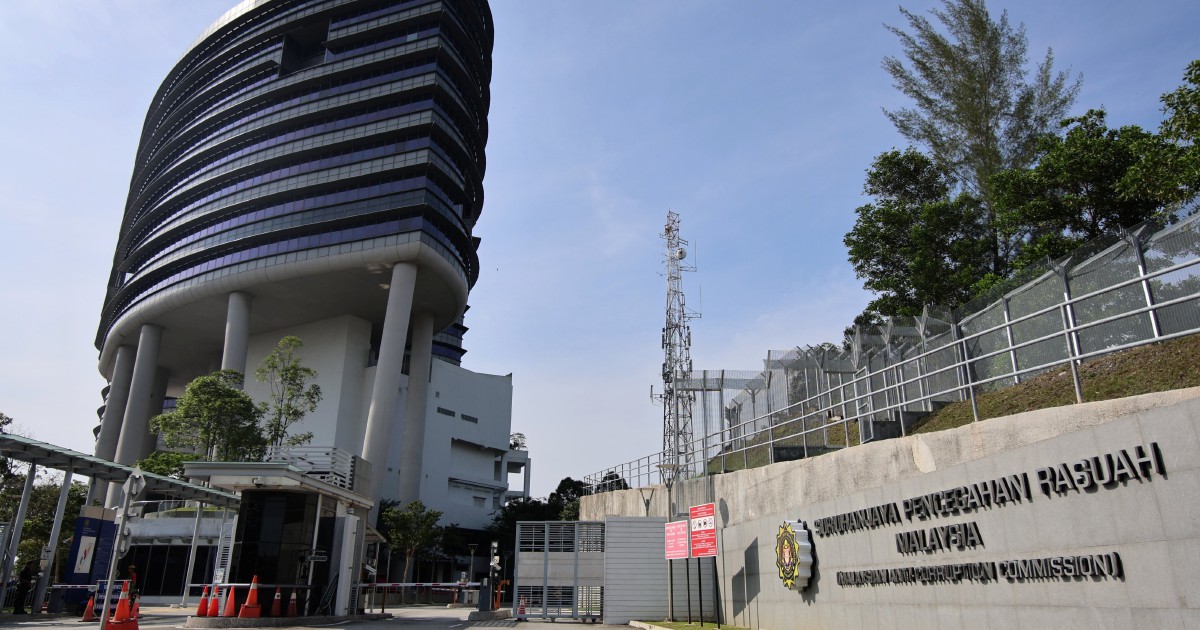
Datuk Azmi Ahmad, the group managing director and chief executive officer of Alam Maritim Resources Bhd, has been released from Malaysian Anti-Corruption Commission remand following a period in custody. The development marks a significant moment in what appears to be a formal inquiry conducted by the anti-corruption watchdog into the maritime services company and its operations. The circumstances surrounding the remand and the specific allegations under investigation have not been immediately disclosed, leaving stakeholders in the energy and maritime sectors awaiting further clarity on the nature of the investigation.
Alam Maritim Resources operates within Malaysia's maritime and offshore services sector, an industry that has faced increased scrutiny in recent years as authorities strengthen oversight of large-scale projects and business practices. The release of the chief executive comes at a time when corporate governance and compliance standards across Malaysian corporations remain under the microscope of regulatory bodies. The MACC's decision to place an executive of this rank under remand indicates that the agency considered the matter sufficiently serious to warrant formal detention for questioning purposes.
The shipping and offshore support services sector represents a substantial component of Malaysia's maritime economy, contributing significantly to employment and economic output. Companies like Alam Maritim, which provide essential services to offshore oil and gas operations, play a critical role in sustaining Malaysia's energy infrastructure and export revenues. Any regulatory action involving senior management of such firms consequently attracts close attention from industry observers, investors, and government agencies concerned with maintaining operational continuity and public trust.
Remand procedures initiated by the MACC typically involve detailed questioning about financial transactions, contractual arrangements, procurement decisions, or other matters suspected of involving misconduct or irregularities. The decision to release Azmi Ahmad without immediately announcing formal charges suggests either that initial questioning has yielded sufficient information, or that further investigation may proceed without extended custody. Malaysian legal procedure allows MACC to conclude remand periods and continue investigations through alternative means, including document review and interviews with additional witnesses.
For investors in Alam Maritim Resources and stakeholders across the maritime sector, the release provides some measure of relief regarding business continuity, as the absence of the chief executive from operational duties would have created considerable disruption. However, the fact that a senior executive has been subject to MACC investigation underscores the regulatory pressures facing Malaysia's corporate landscape and the increased willingness of enforcement agencies to scrutinize business practices at the highest levels of management. This development reinforces broader patterns of corporate accountability that have characterised Malaysia's approach to combating corruption over the past decade.
The MACC's investigation capacity and investigative actions have expanded considerably since the agency's establishment, reflecting evolving governance standards and greater public expectation for transparency. Major corporations and their leadership increasingly find themselves subject to formal inquiries, with the antigraft body pursuing matters that encompass financial management, competitive bidding procedures, and contractual compliance. For Malaysian companies operating internationally, such investigations also carry implications for corporate reputation and international business relationships, as overseas partners and investors monitor regulatory compliance within Malaysia.
Industry analysts have noted that the energy and maritime sectors, given their capital-intensive nature and reliance on long-term contracts, have historically been areas of regulatory focus. Projects in these sectors often involve substantial government involvement or approval, either directly or through state-linked enterprises, making transparency and proper governance procedures especially important. The investigation into Alam Maritim's leadership reflects this broader context and the agencies' commitment to ensuring that public and private sector interfaces operate according to established standards.
The release of Datuk Azmi Ahmad does not necessarily conclude the MACC's investigation, which may proceed through additional interviews, document examination, or other investigative techniques. Malaysian law permits the MACC to pursue formal investigation without remand detention, allowing the agency to gather additional evidence and statements while permitting individuals to continue their normal activities. This approach balances the need for investigative effectiveness with respect for individual rights and business continuity concerns.
Stakeholders across Malaysia's maritime industry will likely be monitoring developments closely for any announcements regarding the investigation's outcome or any formal charges. The incident highlights the importance of robust corporate governance frameworks and compliance procedures within major Malaysian corporations. For Alam Maritim Resources, the release of its chief executive represents an opportunity to demonstrate its commitment to regulatory cooperation and internal controls. The broader implications extend across the maritime sector, reinforcing the expectation that companies maintain transparent operations and ethical business practices consistent with Malaysian and international standards.

