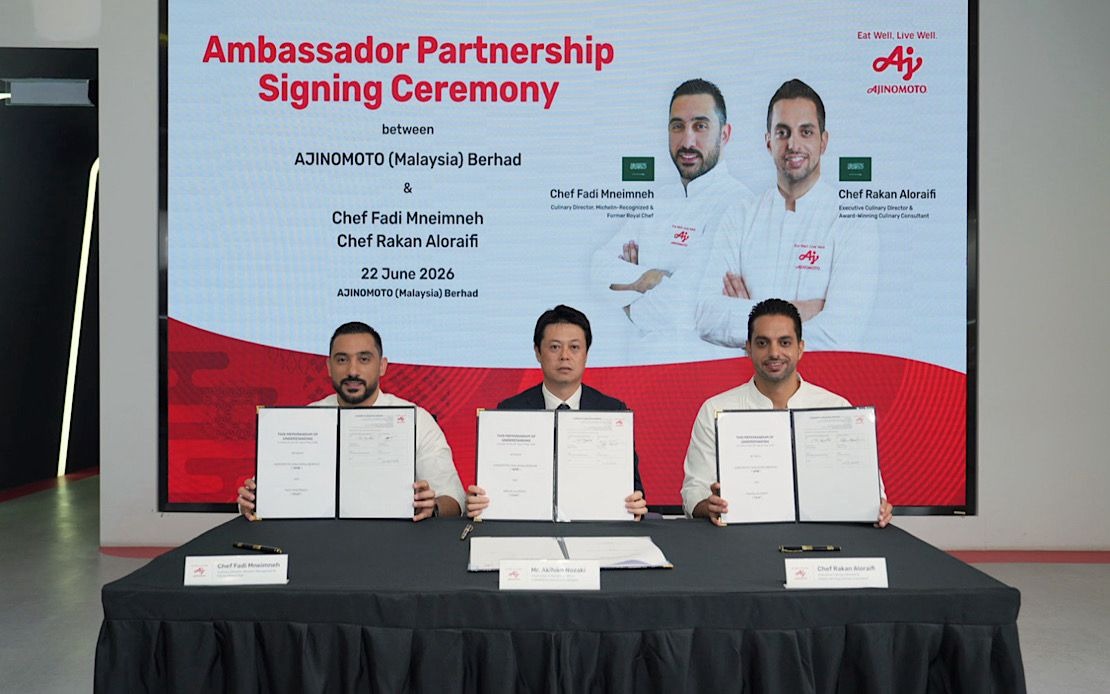
Ajinomoto (Malaysia) Berhad (AMB) is making a calculated strategic bet on celebrity chef partnerships to crack the lucrative Middle East halal market, announcing a collaboration with two of Saudi Arabia's most respected culinary personalities. The move underscores how Malaysian food manufacturers are leveraging soft power and gastronomic credibility to penetrate regional markets increasingly focused on premium halal products. Chef Fadi Mneimneh, a Michelin-starred culinary director with experience in royal kitchens, and Chef Rakan Aloraifi, an acclaimed executive chef and consultant, represent the calibre of influence AMB is tapping to elevate brand perception and market access across the Arab Gulf.
The partnership comes at an opportune moment for AMB, as the global halal food industry continues its robust expansion driven by rising Muslim consumer purchasing power and stringent quality expectations. Middle Eastern markets in particular have become increasingly sophisticated in their demand for certified halal products that combine traditional authenticity with modern food science. By aligning with chefs who command respect among high-end restaurants, hotels and food procurement professionals, AMB positions itself as a premium ingredient supplier rather than a commodity producer—a critical distinction in competitive markets where price alone cannot sustain margins.
A recent factory visit by both chefs to AMB's Bandar Enstek facility in Negeri Sembilan served as the centrepiece of relationship-building, allowing the Saudi culinary leaders to directly inspect production standards, halal certification processes and product diversity. Such facility tours are strategically valuable because they transform abstract brand claims into tangible evidence of quality control and manufacturing rigour. The chefs witnessed firsthand how AMB maintains halal integrity throughout its supply chain, information they can now credibly relay to restaurant networks, hotel chains and food service operators across Saudi Arabia and the broader region.
Critically, the collaboration focuses on educating Middle Eastern chefs and culinary professionals about umami—the savoury fifth taste profile—and how Japanese-inspired ingredient science can enhance traditional Middle Eastern dishes without compromising cultural authenticity. This educational angle is sophisticated marketing disguised as knowledge transfer. By positioning umami as a culinary tool that enriches rather than replaces traditional flavour profiles, AMB addresses a potential cultural resistance to foreign ingredients in heritage cuisines. The messaging effectively frames Japanese food science as complementary to Arab culinary traditions rather than competitive or disruptive.
Live culinary demonstrations conducted by Chef Fadi and Chef Rakan during the factory visit showcased practical applications of AMB products in authentic Middle Eastern cuisine. These demonstrations generate powerful word-of-mouth marketing within professional culinary circles and provide social media content that reaches both professionals and aspirational home cooks. Photographs and videos of Michelin-starred chefs incorporating Ajinomoto products into recognisable regional dishes carry far more persuasive weight than corporate advertising, as they come embedded within trusted culinary narratives rather than commercial messaging.
The partnership extends beyond one-off events into sustained engagement through the planned Hotel, Restaurant and Café (HORECA) exhibitions scheduled for October 2026 in both Riyadh and Jeddah. These trade events serve as critical touchpoints where AMB can directly reach procurement decision-makers, executive chefs and hospitality managers who influence ingredient purchasing across the region's hotel and restaurant sectors. By securing prominent chef partners to lead live demonstrations at these venues, AMB ensures high visibility and credibility among professional audiences far more influential to B2B sales than consumer awareness campaigns.
The inclusion of AMB's Brunei distributor in the factory visit signals recognition that regional halal supply chains are increasingly interconnected across Southeast Asia and the Middle East. This networking layer creates opportunities for cross-market learning and potential business synergies. Brunei, with its significant oil wealth and strong halal credentials, represents an adjacent market where Saudi culinary trends can influence consumer preferences and professional standards, potentially amplifying the reach of this partnership beyond Saudi Arabia into the broader Gulf Cooperation Council region.
For Malaysian exporters, this case demonstrates how soft power assets—in this instance, Malaysia's halal certification excellence and food manufacturing credentials—can be leveraged through personality-driven marketing to command premium positioning in competitive international markets. Rather than competing solely on cost or commodity specifications, AMB has chosen to compete on cultural legitimacy and professional endorsement. This positioning is particularly relevant as the halal food market matures and differentiates between commodity and premium segments.
The strategic timing of this partnership also reflects AMB's recognition that Middle Eastern markets are moving beyond basic halal compliance toward sophisticated demand for provenance, manufacturing transparency and ingredient innovation. Saudi Arabia's Vision 2030 economic diversification programme includes significant investment in food and hospitality sectors, creating expanded opportunities for premium ingredient suppliers who can demonstrate both technical excellence and cultural understanding. By positioning itself as a partner to the region's culinary elite rather than simply a supplier of condiments, AMB aligns itself with this aspirational trajectory.
The collaboration also carries implications for how Malaysian food companies generally approach international expansion. The emphasis on celebrity chef partnerships, factory transparency, live demonstrations and participation in professional trade events reflects a maturing approach to export marketing that moves beyond traditional B2B sales relationships. For other Malaysian manufacturers in processed foods, sauces, seasonings and ingredients, the AMB model offers a playbook for accessing premium market segments in Asia, the Middle East and beyond by building legitimacy through professional culinary networks rather than mass consumer marketing.

