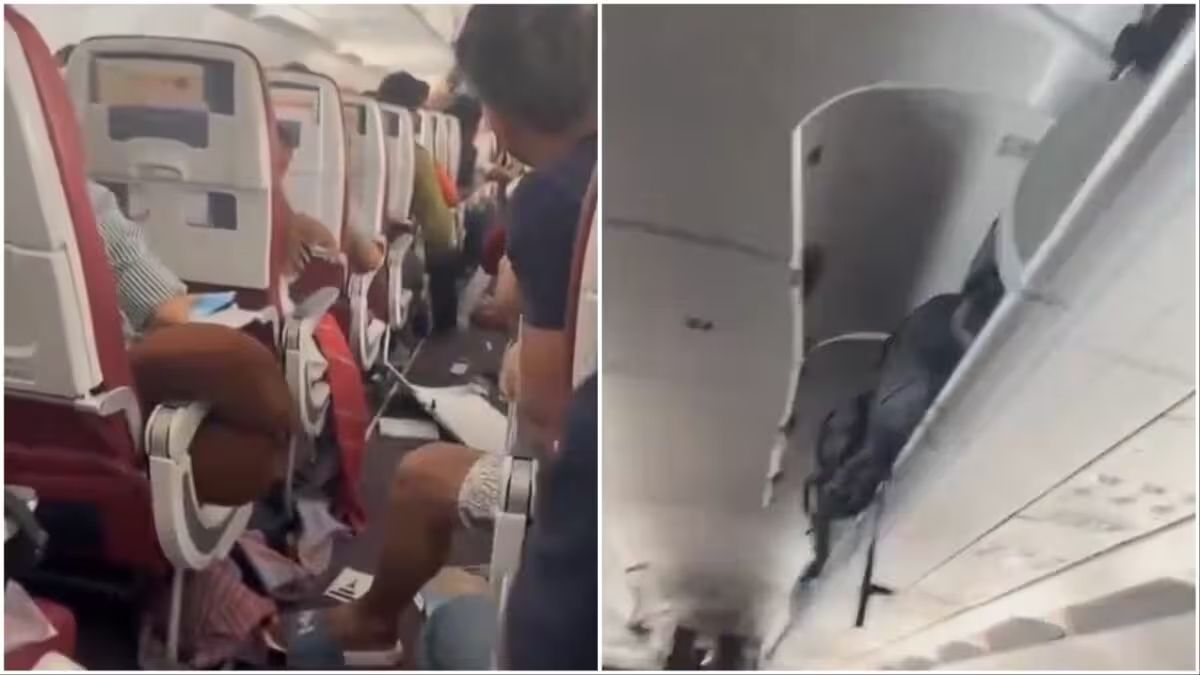
Airbus has announced it will send a team of technical specialists to New Delhi on Tuesday to provide expert support to investigators examining the August 4 incident involving an Air India Airbus A320 that experienced a sudden and dramatic loss of altitude mid-flight. The aircraft, operating as a service from Phuket in Thailand to the Indian capital, lost approximately 300 feet during the harrowing episode before the pilots managed to stabilise the jet and complete a safe landing. The incident left 17 people injured, with eight passengers and four cabin crew members requiring hospital treatment following arrival in New Delhi.
The involvement of Airbus in the formal investigation underscores the seriousness with which aviation authorities are treating the occurrence. India's civil aviation ministry has classified the event as a "Serious Incident" and assigned the Aircraft Accident Investigation Bureau (AAIB) to lead the inquiry. An Airbus spokesperson confirmed that the manufacturer is providing "technical assistance" to the relevant Indian authorities, a standard protocol when aircraft experience unexplained technical events that warrant comprehensive examination.
The flight was carrying 137 passengers and eight crew members at the time of the incident. Air India released a statement immediately after landing, acknowledging that the aircraft had "experienced a sudden loss of altitude" and pledging full cooperation with investigators. The airline also notified the aircraft manufacturer of the event, triggering the formal involvement of Airbus engineers and technical experts who will work alongside Indian authorities to understand precisely what caused the dramatic descent.
Indian media outlets have reported that the Airbus A320 encountered several technical irregularities in the period immediately preceding the loss of altitude, though neither Air India, Indian aviation authorities, nor Airbus have officially confirmed the nature or extent of these reported technical snags. This information gap has naturally intensified scrutiny of the incident, particularly given the airline's recent operational challenges. The dispatch of Airbus specialists is expected to help clarify what systems or conditions may have contributed to the sudden descent.
The investigation has taken on additional complexity due to preliminary findings regarding the flight crew. Both pilots underwent standard psychoactive substance screening tests following the landing, as is mandatory procedure in India's civil aviation protocols. The screening test administered to the pilot-in-command produced results that the ministry characterised as "requiring confirmatory testing," prompting officials to send samples for further laboratory analysis. The final confirmatory results have not yet been publicly released, leaving questions about the test's implications unresolved.
As a precautionary measure during the ongoing investigation, both pilots have been removed from the active flying roster. This suspension reflects standard aviation industry practice when investigations into serious incidents are underway and potential factors related to crew performance or fitness are being examined. The removal of both pilots signals the rigorous approach Indian aviation regulators are taking toward understanding all potential contributing factors to the mid-flight emergency.
The August 4 incident represents another significant challenge for Air India at a particularly vulnerable moment in the carrier's operational history. The airline has faced mounting difficulties in executing a comprehensive turnaround strategy, with multiple disruptions compounding existing operational pressures. Recent geopolitical tensions in the Middle East region have created additional headwinds for the carrier, disrupting flight schedules and straining resources.
Far more grave than the August 4 incident was Air India Flight 171, a Boeing 787 Dreamliner bound for London that crashed shortly after takeoff from Ahmedabad in June 2025. That catastrophic accident killed all but one of the 242 people aboard the aircraft, along with 19 people on the ground, representing a humanitarian tragedy that severely damaged the airline's safety reputation and passenger confidence. The contrast between that devastating crash and the successful management of the August 4 emergency—where the pilots regained control and landed safely—demonstrates both the critical importance of crew performance in crisis situations and the vulnerability of Air India's operational standing.
In an effort to stabilise the airline and chart a new strategic direction, Air India appointed Tewolde Gebremariam as its new chief executive last week. Gebremariam brings extensive international aviation experience from his previous tenure as chief of Ethiopian Airlines, one of Africa's most successful carriers. His appointment signals Air India's commitment to implementing significant operational and management reforms to restore passenger confidence and improve safety culture across the organisation.
The convergence of these developments—the serious incident investigation, the pending confirmatory test results, the recent catastrophic crash still weighing on public perception, and new leadership at the helm—creates a critical juncture for Air India. How the airline and Indian aviation authorities handle the current investigation, communicate findings to the public, and implement any necessary corrective measures will be closely watched by the entire regional aviation sector. For Malaysian and Southeast Asian carriers operating similar aircraft and facing comparable operational pressures, the lessons emerging from this investigation will carry significant implications for industry safety standards and crisis management protocols across the region.
Airbus's engagement with the investigation also reflects the aircraft manufacturer's commitment to supporting airlines in resolving safety-related issues. The involvement of experienced Airbus technical experts can help differentiate between aircraft system malfunctions, human factors, and environmental conditions, providing clarity that serves not only the immediate investigation but also contributes to broader aviation safety knowledge within the industry.

