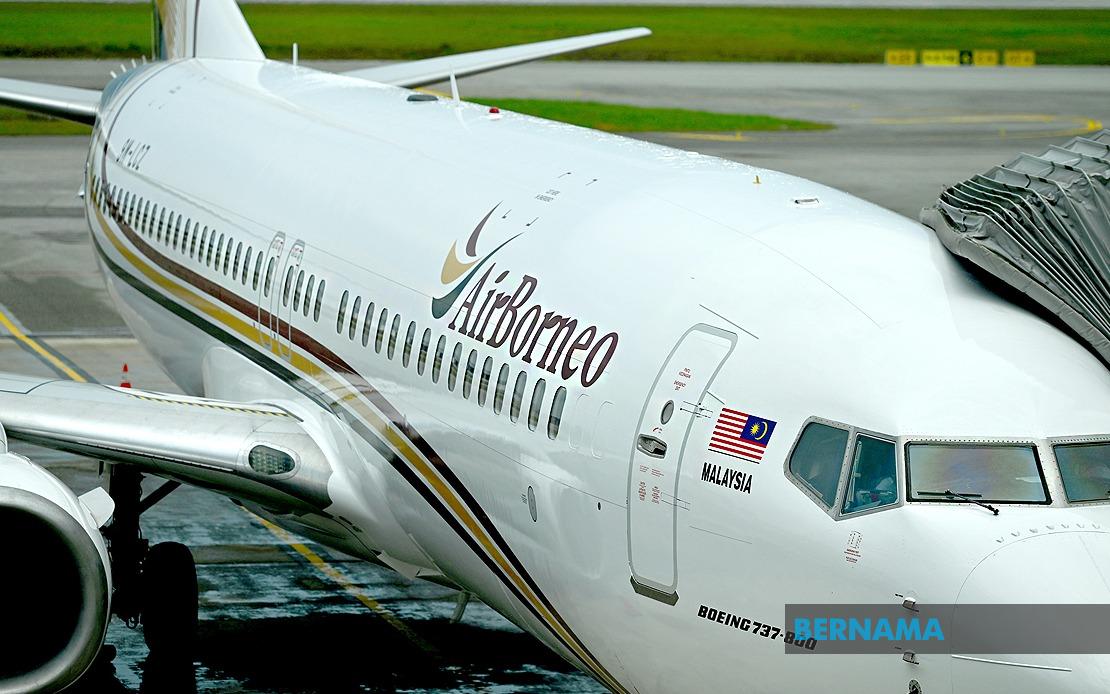
AirBorneo has issued an apology to passengers who experienced delays on Flight MY5004 from Kuala Lumpur to Kuching on July 20, citing technical difficulties as the cause of the disruption. The Sarawak-based carrier released a statement confirming that the aircraft eventually departed at 7.30 pm once the technical issue had been rectified, following an extended ground time that inconvenienced travellers waiting for their journey to the state capital.
The airline's response underscores a growing emphasis across Southeast Asian carriers on transparent communication during operational disruptions. Rather than providing minimal information, AirBorneo detailed the support measures implemented throughout the delay period, revealing a service recovery approach that extends beyond a simple apology. Passengers were provided with regular status updates, complimentary meals and refreshments, and additional assistance designed to mitigate the frustration typically associated with flight delays.
Safety considerations remain central to how regional airlines justify operational delays, and AirBorneo was explicit in reaffirming that passenger protection takes absolute precedence over schedule adherence. The emphasis on safety protocols reflects industry-wide standards and regulatory expectations within Malaysia's aviation sector, where the Civil Aviation Authority of Malaysia maintains strict oversight of technical maintenance and operational procedures. By framing the delay as a safety-driven decision, the airline positioned the disruption as a necessary precaution rather than a service failure.
For Malaysian passengers accustomed to regional travel, technical delays present a familiar frustration. The Kuala Lumpur-Kuching route represents one of Malaysia's busiest domestic corridors, connecting the capital with Sarawak's commercial hub and serving business travellers, government officials, and leisure tourists. Any disruption on this key route has ripple effects across the broader aviation network and impacts travellers' confidence in domestic flight reliability.
AirBorneo's operational profile within Malaysia's domestic market has grown significantly since its establishment, competing alongside larger carriers like Malaysia Airlines and AirAsia. The airline's emphasis on staff assistance and passenger care during the delay reflects competitive pressures within the low-cost and full-service carrier segments. In an environment where customer reviews and social media commentary can rapidly damage airline reputation, service recovery measures during disruptions have become crucial differentiators.
The technical nature of the delay, while unspecified in the airline's statement, likely involved pre-flight engineering checks or maintenance interventions that flight crews deemed essential before departure. Such procedures are standard across international aviation, though they inevitably create passenger inconvenience. Malaysian airlines, like their regional counterparts, must balance safety imperatives against schedule reliability expectations, a tension that becomes especially acute during peak travel periods or on frequently operated routes.
AirBorneo's commitment statement regarding safety standards and reliable service delivery serves a dual purpose: reassuring affected passengers that the delay reflected responsible safety management rather than negligence, while signalling to the broader flying public that the airline maintains rigorous operational standards. This messaging becomes particularly important in maintaining passenger confidence following any operational disruption, as negative travel experiences tend to influence future booking decisions and airline selection.
The airline's acknowledgment of passenger patience and cooperation represents a standard courtesy in service recovery communications, yet it carries genuine significance in Malaysia's aviation context. Domestic travellers often have limited alternatives on popular routes, meaning prolonged delays can create significant hardship without alternative transport options readily available. By acknowledging passenger inconvenience while emphasising the safety rationale for the delay, AirBorneo attempted to frame the disruption as unavoidable rather than the result of operational inefficiency.
Looking forward, the incident highlights ongoing challenges within Malaysia's domestic aviation sector regarding the intersection of fleet age, maintenance requirements, and operational reliability. As carriers operate aircraft across diverse routes and climates throughout the region, technical disruptions remain an operational reality that airlines must manage transparently. AirBorneo's public response to Flight MY5004's delay demonstrates awareness of modern expectations regarding airline communication during disruptions, setting a standard that other regional carriers increasingly feel pressure to match.
The broader implications for Malaysian aviation users include recognition that domestic air travel, while generally reliable, remains subject to technical factors beyond airline control. Passengers booking domestic flights during peak periods should anticipate potential delays and build buffer time into connecting journeys. For business travellers and government officials frequently utilising the Kuala Lumpur-Kuching route, the incident reinforces the importance of flexible scheduling and contingency planning when time-sensitive commitments depend on flight arrivals.

