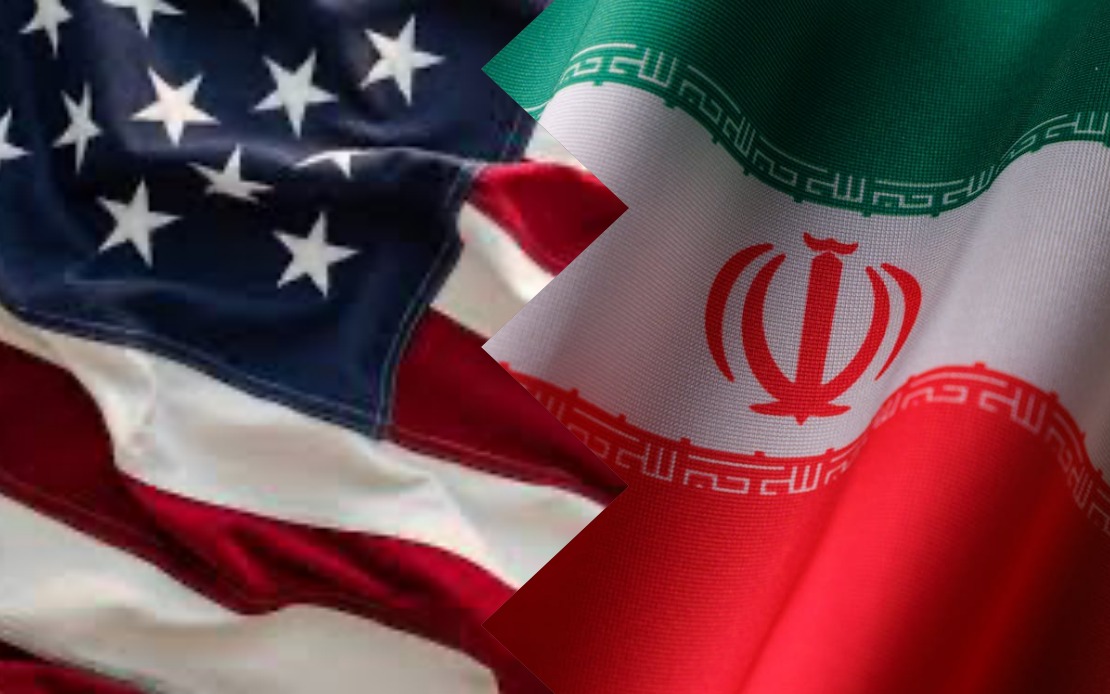
The sound of air raid sirens echoed across Bahrain in the early hours of Wednesday, signalling heightened tensions in the Persian Gulf region following a major escalation between the United States and Iran. The alert prompted authorities to urge residents to seek shelter, though the ministry initially refrained from providing immediate details about the nature of the emergency. The development underscored the volatile security environment that continues to grip one of the world's most strategically important waterways, with implications rippling far beyond the region and affecting global energy markets and maritime commerce.
Bahrain's Ministry of Interior issued a stark warning to the public through social media, instructing citizens and residents to remain composed and proceed to the nearest designated safe locations. The advisory came without elaboration, creating an initial fog of uncertainty about whether the alert was precautionary or responsive to an imminent threat. However, subsequent reports from US officials revealed the underlying cause: Iranian military assets had launched unmanned aircraft toward Bahrain, according to American intelligence assessments, indicating a direct Iranian response to American military action.
The siren activation followed closely upon announcements from United States Central Command that American forces had successfully completed a comprehensive bombing campaign targeting Iranian military infrastructure. According to CENTCOM's official statement, the operation struck more than 80 distinct targets across Iran. The strikes represented Washington's immediate retaliation against what American officials characterised as Iranian aggression targeting international commercial shipping lanes that are vital to global trade. This tit-for-tat escalation marks a significant intensification of military hostilities in the region, raising concerns about potential further escalation.
The Strait of Hormuz, through which massive quantities of global oil and liquefied natural gas transit daily, has become a flashpoint for Iranian-American tensions. Iran's alleged attacks on merchant vessels traversing these waters have prompted the United States to respond with force, establishing a pattern of action and counter-action that threatens regional stability. For Southeast Asian nations dependent on stable energy supplies and secure maritime passages, the deteriorating situation poses genuine economic and strategic risks. Malaysian shipping companies and energy importers face heightened operational costs and insurance premiums due to the security hazard, and disruptions to energy supplies could impact regional economies.
The scale of the American military operation—targeting over 80 locations across Iranian territory—represents one of the most substantial direct assaults on Iranian military capabilities in recent years. Such a comprehensive strike campaign demonstrates the extent to which American forces have mobilised and the seriousness with which Washington views Iranian actions. The operation required significant coordination and deployment of air assets, suggesting careful planning and preparation rather than an improvised response. This methodical approach may indicate American determination to send a forceful message while potentially leaving room for diplomatic off-ramps if circumstances permit.
Bahrain's position as a small island nation hosting the United States Fifth Fleet headquarters makes it particularly vulnerable to any escalation in the Gulf. The country serves as a crucial hub for American military operations throughout the region, making it both strategically valuable and exposed to potential Iranian retaliation. The activation of air raid sirens reflects genuine security concerns rather than mere precaution, signalling that authorities assessed the Iranian drone activity as a credible threat warranting immediate public protective measures. For Bahrain's substantial expatriate population and the many foreign nationals working in the country, such alerts create anxiety and uncertainty about personal safety.
The pattern of recent months has seen repeated incidents of alleged Iranian attacks on commercial shipping, with tankers and container vessels reporting damage or security incidents attributed to Iranian actors or proxies. These maritime incidents have prompted international shipping companies to reassess their routing decisions and security protocols, with some vessels choosing longer, safer alternate routes at considerable cost. Insurance companies have responded by substantially raising premiums for transit through the Strait of Hormuz, effectively imposing an economic penalty on international trade. Malaysia, as a major shipping nation with significant dependence on Gulf energy imports, faces direct economic consequences from these disruptions.
The American military response aims to deter further Iranian aggression and protect vital maritime commerce, though the effectiveness of such deterrence remains uncertain. The targeting of over 80 facilities suggests an effort to degrade Iranian military capabilities across multiple domains, potentially including air defence systems, weapons storage, and command and control centres. By striking a broad range of targets rather than a narrowly focused set, American planners may be attempting to make Iranian retaliation more difficult and costly. However, the apparent Iranian response—launching drones toward Bahrain—indicates that Tehran retains some capacity to respond despite the scale of American strikes.
The escalation carries significant implications for Southeast Asian interests beyond the immediate maritime security concerns. Prolonged instability in the Gulf could disrupt oil supplies to the region, affecting economic growth and energy security across Asia. Malaysian companies with operations in the Gulf face heightened risks and potential operational disruptions. Furthermore, the broader geopolitical ramifications of sustained Iranian-American military confrontation could reshape regional alignments and affect Southeast Asian nations' international positioning, particularly regarding relations with key powers including the United States, China, and regional actors.
The activation of Bahrain's air raid sirens serves as a stark reminder of the fragile security balance maintained in the Gulf region and the potential for unintended escalation when military forces operate in such close proximity. While both sides have thus far sought to limit their strikes to military targets, the risk of miscalculation or an incident causing civilian casualties remains substantial. For Malaysian policymakers and business leaders monitoring the situation, the message is clear: regional instability can have immediate economic consequences across Asia, making the pursuit of de-escalation and diplomatic solutions imperative for all stakeholders concerned with stable global commerce and energy supplies.

