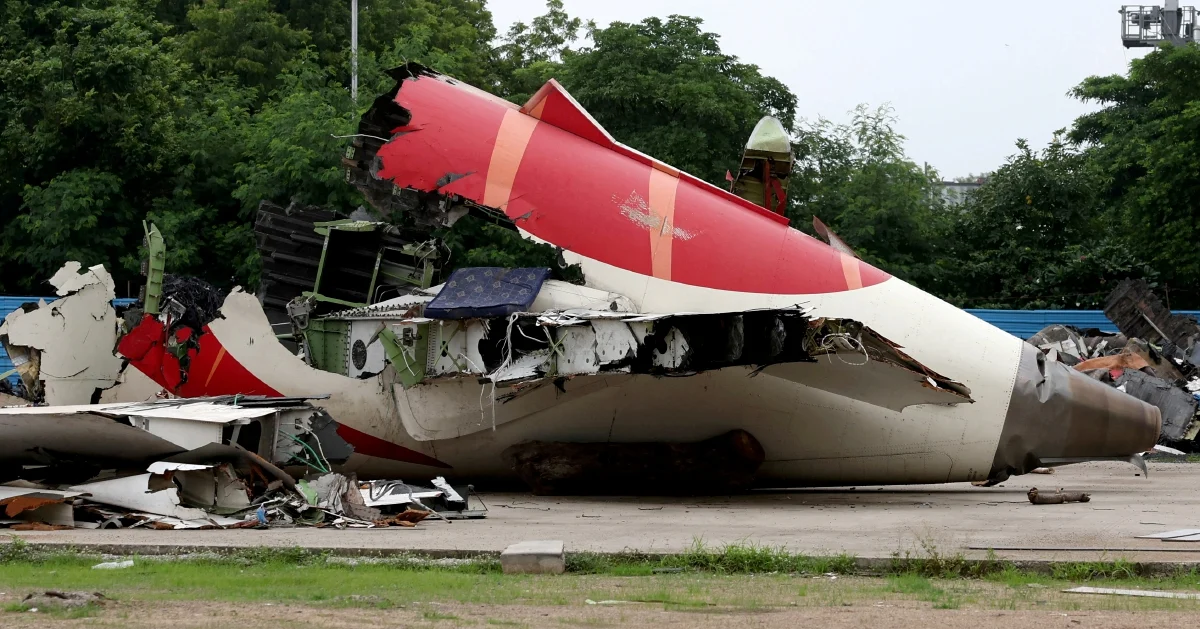
India's aircraft accident investigation authority has advanced to the concluding phase of its inquiry into a fatal Air India disaster that occurred last year, according to documents submitted to court. The progress represents a significant milestone in what has been a methodical forensic examination of one of the nation's most significant aviation tragedies. The directorate has now completed critical technical and human factors analyses that form the backbone of understanding how and why the catastrophic event unfolded.
Among the pivotal materials the investigating team has assembled is a comprehensive transcript derived from the cockpit voice recorder, the aircraft's black box that captures all audio communications and ambient sounds from the flight deck during operations. This transcript provides an intimate window into the final moments before impact, documenting conversations between pilots, interactions with air traffic control, and the sequence of events that preceded the tragedy. Such recordings are invaluable in aviation forensics because they reveal not only what was said, but crucially how crew members were responding to developing situations, their stress levels, communication patterns, and decision-making processes under pressure.
Beyond the technical data, the investigation has incorporated a psychological autopsy—a systematic review examining the mental state, stress factors, and behavioural patterns of flight crew members at the time of the accident. This dimension of modern accident investigation recognises that human factors, including fatigue, cognitive load, situational awareness, and emotional state, play critical roles in aviation safety outcomes. The psychological assessment would have examined crew training records, personal circumstances, medical fitness documentation, and other relevant background information to construct a comprehensive profile of the human element in the accident sequence.
The advancement into final investigative stages signals that the authority has gathered and analysed the bulk of evidence required to formulate its findings. In typical aviation accident investigations conducted by India's Directorate General of Civil Aviation or equivalent bodies, this phase involves synthesising technical data from aircraft systems, structural examination, weather analysis, and human factors research into coherent conclusions about accident causation. The final stage typically involves drafting the official accident report, which will contain findings, probable causes, and safety recommendations intended to prevent similar occurrences in future operations.
For Malaysia and the broader Southeast Asian aviation community, developments in major accident investigations undertaken by neighbouring countries carry significant implications. The standards, methodologies, and conclusions reached by Indian investigators influence regional safety protocols and operational practices across the Association of Southeast Asian Nations. Malaysian aviation authorities, alongside their counterparts throughout the region, closely monitor findings from major investigations to ensure compliance with international standards and to identify systemic issues that may affect their own operations.
The completion of cockpit voice recorder analysis and psychological assessment also reflects the sophisticated investigative capabilities that India maintains in civil aviation safety. These technical competencies demonstrate the maturity of India's aviation safety infrastructure, which has become increasingly important as commercial air traffic across South Asia continues to expand significantly. The rigorous approach undertaken here—combining mechanical forensics with human factors analysis—represents best practice aligned with International Civil Aviation Organization protocols that guide accident investigations worldwide.
The court filing indicating progression toward final conclusions suggests that stakeholders, including families of victims, regulators, and the aviation industry, will soon receive official findings and explanations. Such transparency is crucial for maintaining public confidence in aviation safety systems and demonstrating that authorities take accident investigation seriously. In India's context, particularly given the commercial importance of Air India as the national carrier, the investigation's conclusion will carry political and industry significance.
Southeast Asian carriers and safety specialists will likely study the final report carefully to identify lessons applicable to their own operations. Common accident investigation findings often reveal systemic issues—whether related to pilot training protocols, aircraft maintenance procedures, operational decision-making frameworks, or organisational safety culture—that transcend individual airlines and geographies. If the Air India investigation identifies deficiencies in these areas, they may prompt reviews and adjustments throughout the region's aviation sector.
The investigation's incorporation of psychological assessment reflects modern understanding that accidents rarely result from single mechanical failures or pilot errors in isolation, but rather from complex interactions between human, technical, and environmental factors. This holistic approach to accident causation has become standard practice among leading aviation nations and organisations. By examining crew psychology alongside technical data, investigators can provide more complete explanations of how accidents develop and recommendations more likely to prevent recurrence through addressing root causes rather than superficial factors.
The progression toward finalising this major investigation also underscores the importance of independent, thorough accident investigation systems in building and maintaining aviation safety standards. As India's aviation sector continues to grow—with plans for significant expansion of domestic and international routes—the credibility of its safety investigation and oversight mechanisms becomes increasingly important for international confidence and operational partnerships with carriers from other nations.
With cockpit recorder transcripts completed and psychological assessments concluded, the investigating authority now faces the task of synthesising findings into formal conclusions and safety recommendations. This final phase typically involves consultation with relevant stakeholders and careful documentation of reasoning that led to specific conclusions. Once released, the official accident report will provide answers to outstanding questions about the crash and should contribute meaningfully to ongoing efforts to enhance aviation safety throughout India and Southeast Asia.

