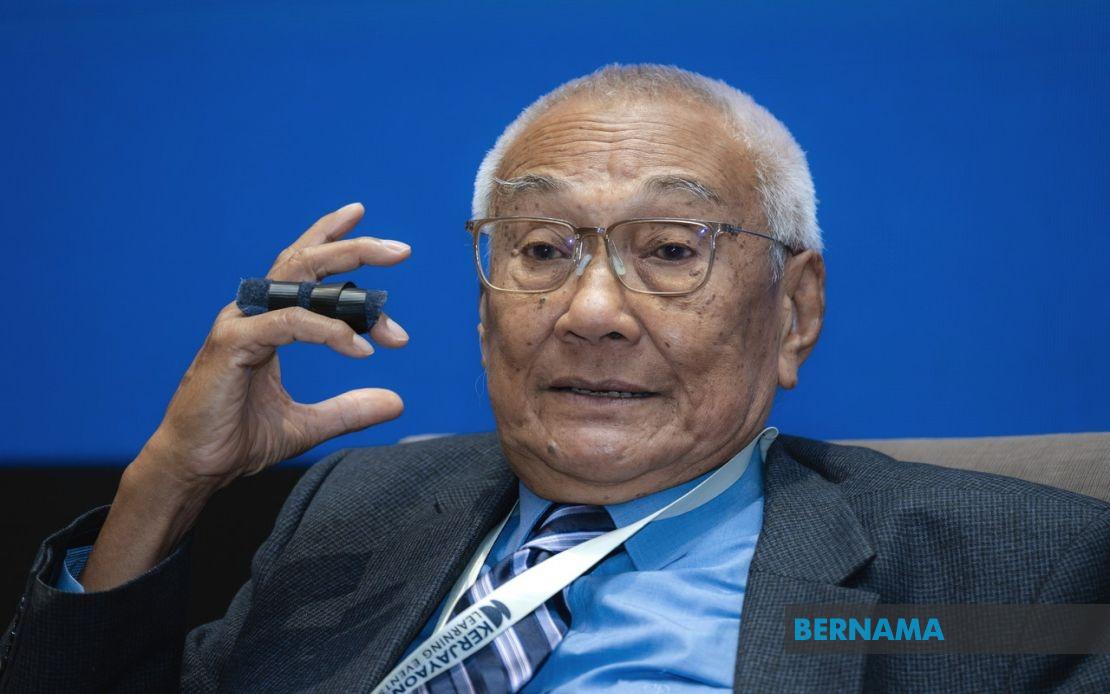
As artificial intelligence permeates every sector of the economy and governance, the judiciary faces a critical question: can machines help decide cases? Tun Zaki Azmi, former Chief Justice and now chairman of Pertama Digital Berhad, offers a clear answer at the Wisdom Malaysia 2026 Conference in Kuala Lumpur. While AI serves as a valuable auxiliary instrument, the ultimate responsibility for judicial decisions must remain firmly in human hands, guided by experience, ethical principles, and considered judgment.
The distinction Tun Zaki draws is important for a region grappling with rapid technological adoption. AI, he contends, excels at offering fresh analytical angles and accelerating preliminary research phases. However, the technology harbors a fundamental vulnerability that disqualifies it from making final determinations. "Hallucinations"—instances where AI systems generate plausible-sounding but factually incorrect information—represent an inherent risk that no algorithm can yet eliminate. Judges who outsource their reasoning to machines without rigorous human review risk enshrining errors into law, with consequences that reverberate through entire legal systems. This concern resonates particularly in Southeast Asian jurisdictions where judicial independence and integrity remain cornerstones of the rule of law.
Drawing upon his tenure as former Chief Justice of the Dubai International Financial Centre Courts, Tun Zaki points to a pragmatic governance model already in motion. The DIFC has implemented protocols mandating that lawyers and legal researchers disclose whenever AI has been deployed in crafting legal arguments, memoranda, or evidence summaries. This transparency requirement serves multiple functions: it alerts judges to potential vulnerabilities in submitted materials, enables courts to apply heightened scrutiny to AI-assisted work, and establishes accountability chains throughout the litigation process. For Malaysian practitioners and courts contemplating their own AI integration frameworks, this disclosure mechanism offers a tested blueprint that preserves human oversight while harnessing technology's efficiencies.
The reason appellate courts have long operated through collegial panels rather than single arbiters illuminates why automation cannot substitute for judicial reasoning. When three, five, seven, or nine judges deliberate over a case, they bring divergent interpretive lenses to identical facts and law. One jurist may assess a witness's credibility through a particular cultural or experiential prism that another rejects. Two judges may read statutory language identically yet arrive at opposite conclusions about legislative intent. These disagreements are not failures of the system—they represent the robust human faculty for reasoning through ambiguity and complexity that defines mature jurisprudence. Machines optimizing for consistency and speed cannot replicate this essential deliberative friction.
This principle extends beyond appellate divisions to trial courts and administrative tribunals throughout Malaysia. Judicial officers frequently navigate situations where law, policy, and human circumstances intersect in unprecedented ways. A judge must weigh credibility assessments that defy algorithmic quantification, interpret principles across competing interests, and render decisions carrying profound consequences for individuals and communities. AI might generate preliminary analyses or flag relevant precedents more swiftly than traditional research methods, yet it cannot evaluate the persuasiveness of an argument or the reliability of a statement in the manner that an experienced judicial mind can.
The technology's role must therefore remain circumscribed and transparent. Rather than relegating AI to the margins, Tun Zaki envisions a complementary partnership where machines handle what they do best—rapid information retrieval, pattern identification, and preliminary analysis—while judges retain what they alone possess: wisdom born from years managing difficult decisions, navigating crises, and learning from both institutional successes and failures. This framework acknowledges AI's genuine contributions without surrendering the intellectual and moral autonomy essential to the judicial function.
The Wisdom Malaysia 2026 Conference itself reflects broader recognition among Malaysia's institutional leadership that this technological transition demands deliberate intergenerational dialogue. Organized with the theme "Learning from the Past, Looking to the Future," the gathering convenes former corporate and government leaders with emerging decision-makers across sectors. KerjayaOne PLT chairman Datuk Seri Abdul Mutalib Razak frames the conference as addressing a critical leadership gap. Knowledge accumulated through decades of navigating crises, making consequential choices, and weathering institutional failures represents irreplaceable capital that risks dissipation without intentional transmission. By bridging generational divides, Malaysia's institutional sectors can ensure that digital transformation enhances rather than erases the experiential wisdom guiding sound governance.
Participants at WMC2026 include luminaries whose careers span Malaysia's corporate transformation: Tan Sri Che Khalib Mohamad Noh, former president of Tenaga Nasional Berhad; Tan Sri Abdul Wahid Omar, chairman of both Cypark Resources Berhad and IOI Corporation Berhad; and Datuk Dr Mohd Khalis Abdul Rahim, former chief human capital officer of Malaysia Aviation Group. These figures have steered organizations through regulatory transitions, technological disruptions, and market volatility—challenges where algorithmic solutions prove inadequate and human judgment determines outcomes.
Tun Zaki's position ultimately reflects a conviction that Malaysia's institutions can harness artificial intelligence's considerable power without ceding their fundamental character. The judiciary's legitimacy rests upon the perception that decisions flow from human deliberation constrained by law and ethics, not from technological processes inscrutable to those affected. As courts and legal professions throughout the region evaluate AI adoption strategies, the former Chief Justice's emphasis on sustained human responsibility offers essential guidance. Technology should liberate judges from tedious mechanical work, not from the irreplaceable task of deciding cases according to law and conscience.

