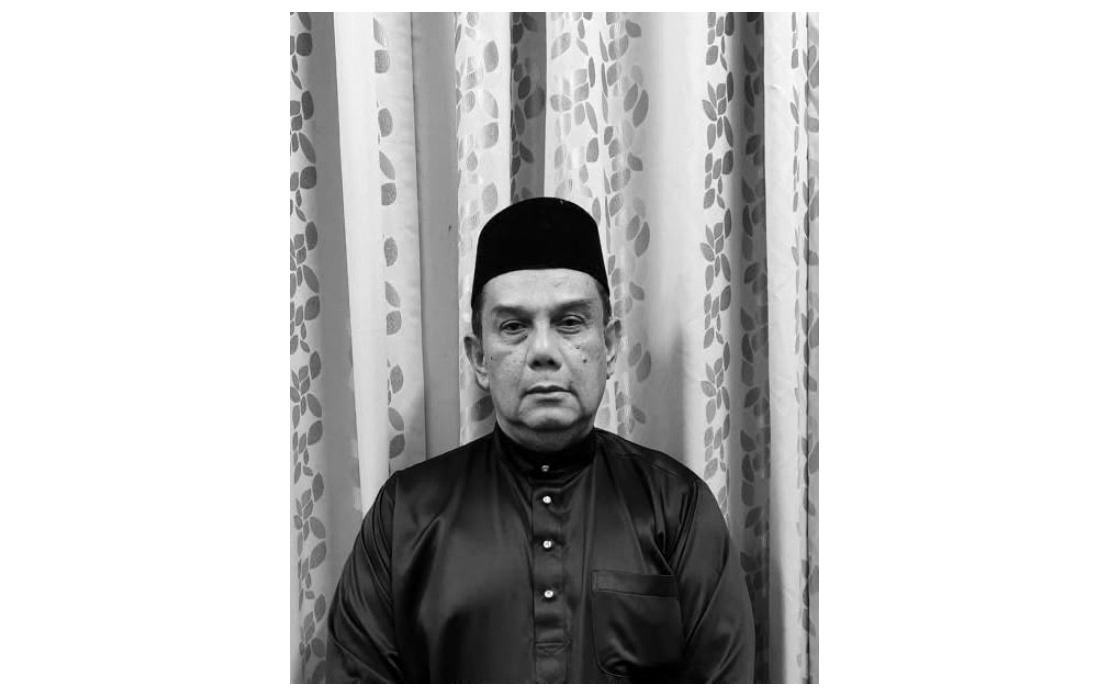
Datuk Jailani Harun, the seasoned diplomatic officer attached to UMNO president Datuk Seri Dr Ahmad Zahid Hamidi, passed away at Hospital Serdang in Kuala Lumpur on the morning of July 7. The 63-year-old succumbed at 11:34 am, with confirmation of his death coming through the Office of the Deputy Prime Minister and his eldest daughter, Nabilla, aged 33.
Jailani's career trajectory reflected a transition common among Malaysian political figures who leverage extensive media experience to serve at the highest echelons of government. His background as a former journalist positioned him uniquely to manage communications and diplomatic matters for one of Malaysia's most prominent political leaders. As Ahmad Zahid's diplomatic officer, Jailani would have been instrumental in coordinating official messaging and international relations work, roles that demand both political acumen and media expertise.
The passing of key administrative figures within political leadership structures invariably creates operational gaps in managing public communication and diplomatic protocols. For Ahmad Zahid, whose role as UMNO president carries significant weight in Malaysian politics, Jailani's loss represents the departure of an experienced aide who had navigated the complex intersection of party politics, media relations, and official representation. The timing of such departures often necessitates swift organizational adjustments within political offices.
Funeral arrangements were promptly organized, reflecting respect for Jailani's tenure and standing within government circles. His body was transferred to Al-Mubarakah Mosque located in Taman Bukit Cheras, where Islamic funeral prayers would be conducted. Subsequent burial took place at Alam Damai Cheras Cemetery following Asar prayers, allowing colleagues, friends, and family members to pay their respects according to Islamic tradition.
Communications Minister Datuk Fahmi Fadzil extended formal condolences to the bereaved family, acknowledging both the personal loss and the professional dimensions of Jailani's passing. In his public statement, Fahmi emphasized the spiritual dimensions of the loss, invoking compassion for those left behind and expressing hope that divine mercy would be extended to Jailani's soul. Such expressions of sympathy from senior ministerial figures underscored the respect Jailani commanded across government structures.
Jailani's career illustrated how Malaysian political figures often occupy multiple spheres of influence simultaneously. His journalism background would have equipped him with understanding of news cycles, media management, and public narrative construction—skills that translate directly into diplomatic and political advisory roles. The transition from journalism to political service represents a common pathway for individuals seeking influence beyond the reporting sphere, though it occasionally raises questions about the relationship between media independence and political proximity.
The loss of experienced personnel within political leadership offices carries implications extending beyond individual families to broader institutional functioning. Diplomatic officers serve as crucial intermediaries between political leaders and various stakeholders, managing relationships with international counterparts, coordinating public statements, and ensuring alignment between different communication channels. The continuity of such roles affects how political leaders project authority and maintain relationships across political, bureaucratic, and international spheres.
Ahmad Zahid's position as UMNO president carries implications for Malaysian politics that ripple throughout the broader political landscape. UMNO remains a foundational component of Malaysia's political structure, and the individuals surrounding the party president inevitably influence policy positions, internal party dynamics, and the party's relationship with its coalition partners. Jailani's years of service would have made him privy to significant internal discussions and strategic considerations affecting not just the party but potentially broader governmental directions.
The broader institutional context of Malaysian political leadership structures means that replacements for positions like Jailani's typically emerge from existing networks of trusted political operatives. The selection of successors to such roles often reveals which individuals possess sufficient trust and competence to access sensitive information and manage delicate relationships. This succession pattern frequently stabilizes quickly, though subtle shifts in communication strategy or diplomatic emphasis may occur depending on who assumes such responsibilities.
Jailani's passing represents a personal tragedy for his family and professional colleagues while simultaneously marking a transition point within UMNO's administrative apparatus. The condolences extended by senior government figures acknowledged both dimensions—the human loss and the institutional significance of his position. Such acknowledgments reflect how Malaysian governance integrates personal relationships with formal institutional structures, with key individuals often occupying roles that blur the boundaries between technical administration and political significance.

