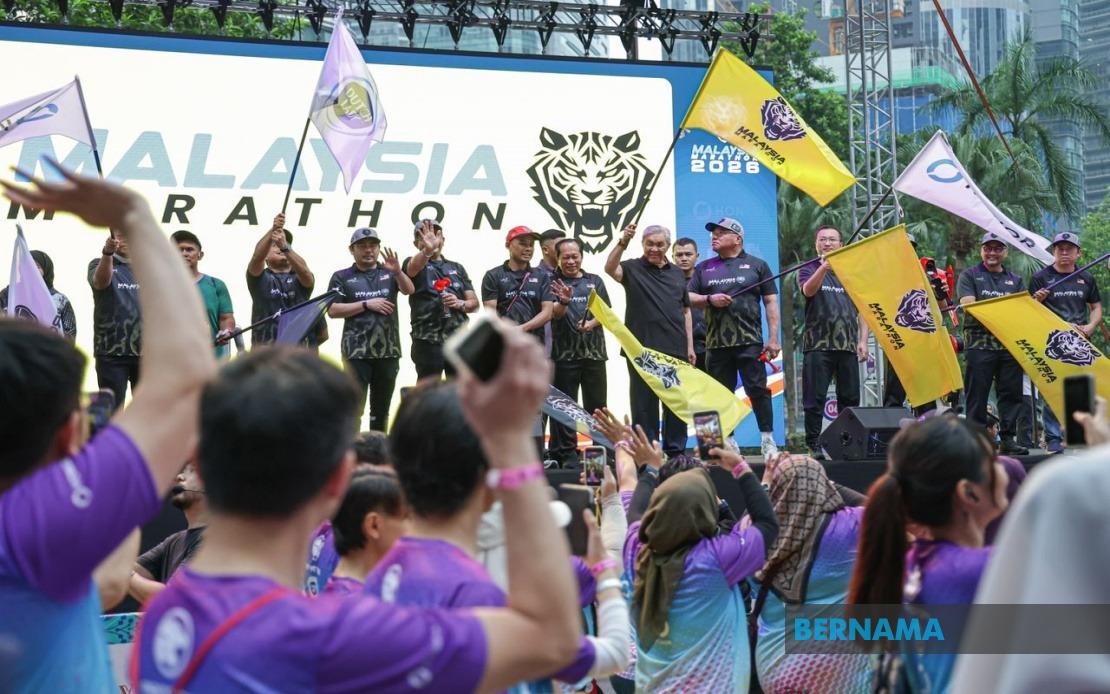
Deputy Prime Minister Datuk Seri Dr Ahmad Zahid Hamidi officially inaugurated the Malaysia Marathon 2026 Fun Run on August 30, sending off 10,000 participants in a five-kilometre race at the Kuala Lumpur City Centre grounds. The high-profile event marked a significant milestone for Malaysia's sporting calendar, coinciding with the nation's pre-National Day festivities and underscoring government commitment to promoting public health and active lifestyles among Malaysians.
The marathon's integration with 2026 National Day celebrations demonstrates how major sporting events have become platforms for national pride and community engagement. By hosting the race at KLCC—one of Kuala Lumpur's most iconic venues—organisers elevated the event's profile, making it accessible and visible to the broader urban population. This strategic choice also signals Malaysia's ambition to position itself as a regional hub for athletic competitions and wellness initiatives.
Joining Ahmad Zahid were Tourism, Arts and Culture Minister Datuk Seri Tiong King Sing and Deputy Works Minister Datuk Seri Ahmad Maslan, reflecting the cross-ministerial support the marathon has garnered. The presence of multiple government figures underscores how sporting events have transcended recreational value to become matters of state interest and coordination. Such high-level participation sends a powerful message that fitness and athletic excellence align with national development priorities.
The opening ceremony itself embodied patriotic symbolism, beginning with the national anthem 'Negaraku' and followed by a performance from the Malaysian Armed Forces band. These elements transformed what might otherwise be a routine sporting occasion into a celebration of national identity. The inclusion of ceremonial elements reflects Malaysia's tradition of infusing public events with patriotic content, creating memorable experiences that reinforce civic consciousness among participants and spectators alike.
A particularly striking feature was the one-kilometre Malaysian flag parade involving 1,000 students from Kolej Poly-tech MARA Bangi. This youth involvement demonstrates intentional efforts to engage young Malaysians in national celebrations and sporting culture simultaneously. By incorporating vocational college students, organisers ensured that participants from diverse educational backgrounds contributed to the spectacle, making the event more inclusive than traditional marathons might be.
The Malaysia Marathon 2026 itself represents significant growth in Malaysia's athletic infrastructure and international recognition. Sanctioned by World Athletics, the global governing body for track and field, the marathon carries international credibility that elevates Malaysia's standing in the global sporting community. This recognition matters substantially for attracting international participants and positioning Malaysia among countries capable of hosting world-class events.
The inaugural edition achieved impressive scale, mobilising 25,000 runners across four distinct categories. The full marathon covering 42 kilometres was flagged off by Tourism Minister Tiong at Pavilion Kuala Lumpur, followed by the 21-kilometre and 10-kilometre races. This tiered structure accommodates varying fitness levels, making competitive running more accessible to ordinary Malaysians rather than restricting participation to elite athletes. Such inclusivity broadens the event's appeal and social impact.
A notable operational change involved relocating the finish line from the traditional venue Dataran Merdeka to the KLCC grounds. This shift centralises the entire event in a modern commercial precinct with superior infrastructure, crowd management facilities, and accessibility. The decision reflects evolving urban event management practices in Malaysia, where newer, better-equipped venues increasingly replace historical sites for logistical advantages.
For the Southeast Asian region, Malaysia Marathon 2026 signals ambitions to compete with established marathons in Singapore, Thailand, and Indonesia as a destination for international runners. The event positions Malaysia within a competitive regional landscape where sporting events drive tourism revenue, enhance city branding, and showcase domestic capability. Success here could strengthen Malaysia's credentials for hosting larger international competitions in coming years.
The timing of this initiative also coincides with Malaysia's broader shift toward experiential and lifestyle tourism. Rather than traditional heritage-focused offerings, the nation increasingly promotes active tourism—marathons, cycling events, water sports—that appeal to health-conscious international visitors. Malaysia Marathon 2026 fits squarely into this diversification strategy, potentially attracting thousands of international participants who spend money locally while experiencing Malaysian hospitality.
For ordinary Malaysians, the event carries practical significance beyond symbolism. Mass participation races promote public health awareness, encourage sedentary populations toward exercise, and foster community bonding through shared physical challenge. In an era of rising lifestyle diseases, government-endorsed marathons serve public health objectives while celebrating national unity.
Looking ahead, the success of Malaysia Marathon 2026 will likely influence whether Malaysia pursues additional large-scale sporting events. Organisers will monitor international participation rates, media coverage, economic impact, and participant satisfaction to determine whether this becomes an annual fixture in Malaysia's sporting calendar. Strong performance could position Malaysia to bid for Asian or Commonwealth Games hosting rights in subsequent decades.

