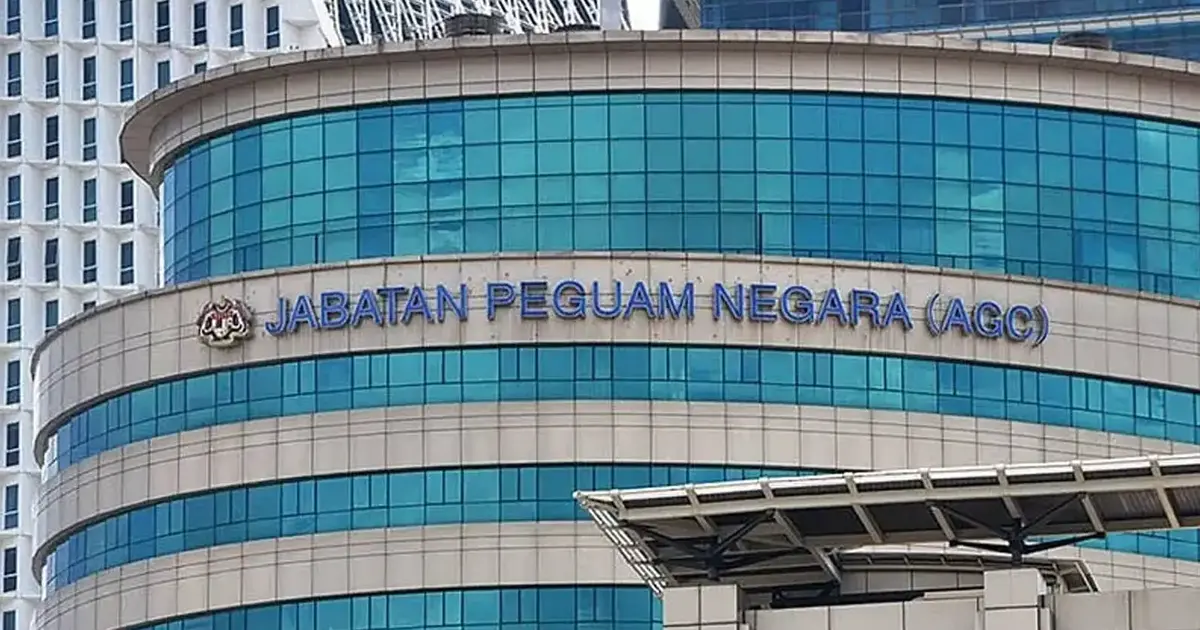
The Attorney General's Chambers (AGC) is still in the process of reviewing investigation papers concerning the Durian Tunggal case, a full month after authorities resubmitted materials for the fourth time. The continued deliberation has prompted Malaysia's home minister to make a fresh appeal for patience from all stakeholders, urging the public and interested parties to refrain from interference as the legal machinery works through its prescribed procedures.
The repeated submissions and extended review period underscore the complexity surrounding this particular investigation. Each resubmission typically indicates that the AGC has identified gaps, inconsistencies, or additional information requirements that necessitate further work by the investigating officers. Such cycles are not uncommon in high-profile cases where the bar for prosecutorial sufficiency is set high, particularly when matters involve questions of public interest or political sensitivity.
For Malaysian readers following this matter, the protracted timeline raises questions about the efficiency of the investigative and prosecutorial process. The fourth submission alone signals that previous iterations failed to meet the threshold for moving forward decisively, whether toward formal charges or toward an official closure. This pattern—submit, review, request additions, resubmit—can extend for months or even years in complex cases, frustrating observers who seek swift resolution.
The home minister's latest statement serves a dual purpose: it both acknowledges the ongoing work and attempts to temper public speculation and pressure. By explicitly calling for all parties to allow the legal process to unfold without external pressure, the minister is essentially signalling that this is no longer a matter of administrative urgency but one properly governed by legal protocols. Such statements often precede either a significant decision or an anticipated announcement, though they provide no indication of what that decision might be.
The Durian Tunggal investigation exemplifies how Malaysian institutional procedures can move at a deliberate pace, even when public and media attention is high. The AGC, as the prosecution arm of the legal system, must satisfy itself that any charges brought would meet evidentiary thresholds and have reasonable prospects of success in court. Moving too hastily risks acquittal and public criticism; moving too slowly invites accusations of deliberate delay or political manipulation. This tightrope often takes considerable time to navigate.
Within the broader Southeast Asian context, Malaysia's legal system reflects a common pattern across the region where post-colonial Westminster frameworks interact with modern pressures for efficiency and transparency. The multiple resubmissions in this case illustrate tensions between the need for thoroughness and the demand for timely justice. Other regional nations have struggled similarly with high-profile cases where investigation and prosecution phases extend far longer than public patience might prefer.
For business communities and international observers, prolonged legal uncertainty around any investigation creates a chilling effect. Investors and analysts monitor how efficiently Malaysia's institutions resolve significant matters as a proxy for governance quality and predictability. Extended review periods, while sometimes necessary, can inadvertently signal weakness in institutional processes or raise questions about political obstruction—neither of which enhances Malaysia's standing internationally.
The home minister's appeal to patience also carries an implicit message to other government agencies and to politicians themselves. By framing the legal process as something that must proceed without external interference, the minister is establishing a defensive perimeter around the AGC's independence and decision-making authority. This is particularly important in any case where political considerations might otherwise tempt hasty action or predetermined conclusions.
Looking ahead, the next developments will likely emerge only when the AGC has completed its substantive review and reached a decision point. Whether that decision involves formal charges, further investigation, or discontinuation remains unknown. What is clear is that each month of delay heightens public curiosity and media speculation, intensifying pressure on institutions to eventually demonstrate that the investment of time has yielded either proportionate action or clear explanation.
The patience the home minister requests is thus a two-way street: the public must wait for the legal process to conclude properly, but the institutions must eventually deliver a conclusion that justifies the wait. For Malaysia's credibility as a functioning democracy with independent judiciary and prosecutorial authority, that balance remains delicate. The coming weeks or months will test whether institutional procedures ultimately serve the interests of justice or merely perpetuate uncertainty.

