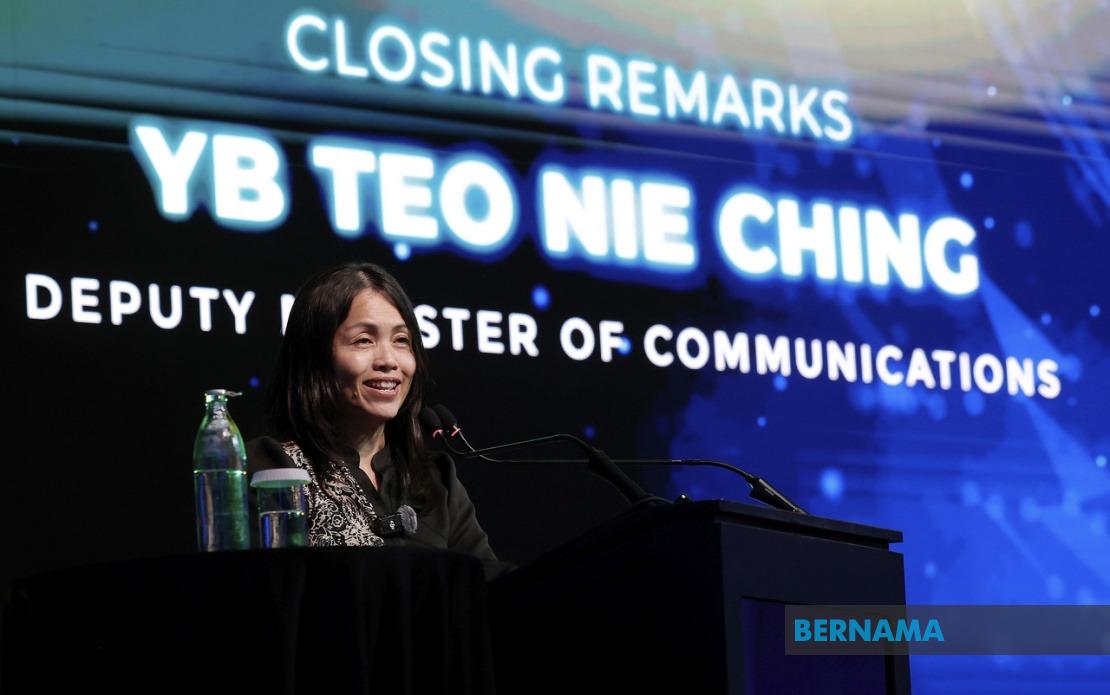
Malaysia must anchor its digital future on two foundational principles: institutional accountability and genuine concern for public welfare. This was the core message delivered by Deputy Communications Minister Teo Nie Ching at the conclusion of the International Regulatory Conference 2026 in Kuala Lumpur, where she articulated a vision of technological progress measured not by algorithmic complexity alone, but by measurable safety, fairness and public benefit.
Teo's remarks addressed a fundamental tension in how societies approach digital governance. Policymakers worldwide tend to celebrate innovation velocity—faster networks, smarter platforms, more powerful tools—yet citizens increasingly demand something different. The Malaysian government's spokesperson underscored that people evaluate technology through a practical lens: Is it secure? Does it treat me fairly? Can I trust it? This disconnect between technocratic ambition and public sentiment has become a defining challenge for regulators across Southeast Asia, where rapid digital adoption has outpaced institutional safeguards.
The deputy minister articulated a critical insight: technology and accountability cannot develop in parallel tracks. Instead, they must evolve as integrated systems. How societies choose to govern innovation, which values are prioritised in platform design, and whose interests are served by digital tools will ultimately shape the technological landscape more decisively than raw technical capability. This framing reorients the policy conversation away from merely enabling faster change toward deliberately choosing what kind of digital future Malaysia wants to build.
The scale of the challenge became apparent through MCMC data Teo presented. Between January 2022 and mid-July 2026, Malaysia's communications regulator issued 1.2 million content removal requests to social media platforms, resulting in the successful deletion of 1.138 million pieces of harmful content. These figures illustrate the magnitude of malicious material flowing through digital channels—from misinformation and extremist propaganda to exploitation content—that threatens public safety and social cohesion. The volume is staggering: an average of roughly 1,900 removal requests daily during the first seven months of 2026 alone.
The acceleration in recent months reveals a troubling trajectory. From January through mid-July 2026, the MCMC issued 377,502 removal requests, which represents nearly 78 percent of all requests submitted during the entire year 2025. This dramatic spike suggests either intensifying harmful content production, improved detection capabilities revealing previously unquantified problems, or both. Platforms responded by removing 350,332 pieces of content during this period, though the compliance rate of approximately 93 percent leaves thousands of harmful posts remaining online despite official action. For Malaysian citizens, the implication is clear: despite regulatory effort, dangerous content continues circulating at scale.
Yet Teo explicitly rejected a purely regulatory approach as insufficient. Governments alone cannot patrol the digital frontier or force private platforms to prioritise public safety over engagement metrics and revenue. The deputy minister called for what she termed a collective approach, demanding participation from technology companies, educational institutions, community organisations and industry bodies. This partnership model shifts responsibility beyond the state to acknowledge that platform designers, teachers, parents and civil society all influence whether digital spaces remain fundamentally safe.
Crucially, Teo emphasised prevention over reaction. Currently, much regulatory activity—including Malaysia's content removal requests—occurs after harmful material has already spread, potentially reaching vulnerable audiences. A more robust approach would embed safety considerations into platform architecture from inception, designing systems that prevent exploitation and harmful expression at the technical level rather than relying on post-hoc takedowns. This philosophy aligns with emerging best practices among leading democracies grappling with platform accountability.
For Malaysia specifically, this moment carries particular weight. The nation is simultaneously navigating deepening digital integration—from digital payments to e-government services—while confronting real threats from online radicalisation, electoral interference and commercial exploitation. The stakes extend beyond individual safety to national stability. Teo's emphasis on trustworthiness becomes a prerequisite for digital transformation; citizens must have confidence that their personal data, financial transactions and political discourse are protected within digital systems.
The International Regulatory Conference itself reflects Malaysia's evolving role as a thought leader on digital governance within the region. Convening regulators, technology executives and researchers around the theme of regulation, resilience and trust positions the MCMC as a convener of international best practice while building consensus around shared challenges. Southeast Asia's regulatory bodies face remarkably similar dilemmas: how to harness digital innovation for economic growth while protecting citizens from online harms, all within diverse cultural and political contexts.
Teo's framing also acknowledges a generational dimension often overlooked in policy debates. Child protection emerged as a particular concern, reflecting reality that young people face distinct vulnerabilities online—from predatory contact to addictive design patterns to algorithmic amplification of harmful peer pressure. Schools and communities must become partners in developing digital literacy and resilience, preparing citizens to navigate hostile online environments skillfully.
The deputy minister's closing remarks suggest Malaysia is moving toward a more sophisticated regulatory philosophy—one that recognises technology as neither inherently good nor bad, but as a reflection of human choices embedded in its governance structures. This perspective offers realistic hope. Rather than resigned acceptance that platforms will inevitably harm users or naive faith that innovation solves all problems, Malaysia is positioning itself to actively shape whether digital progress serves narrow interests or broad public good. Success will depend on whether the rhetoric of accountability translates into sustained institutional action, meaningful platform reforms, and genuine investment in digital literacy across society.

