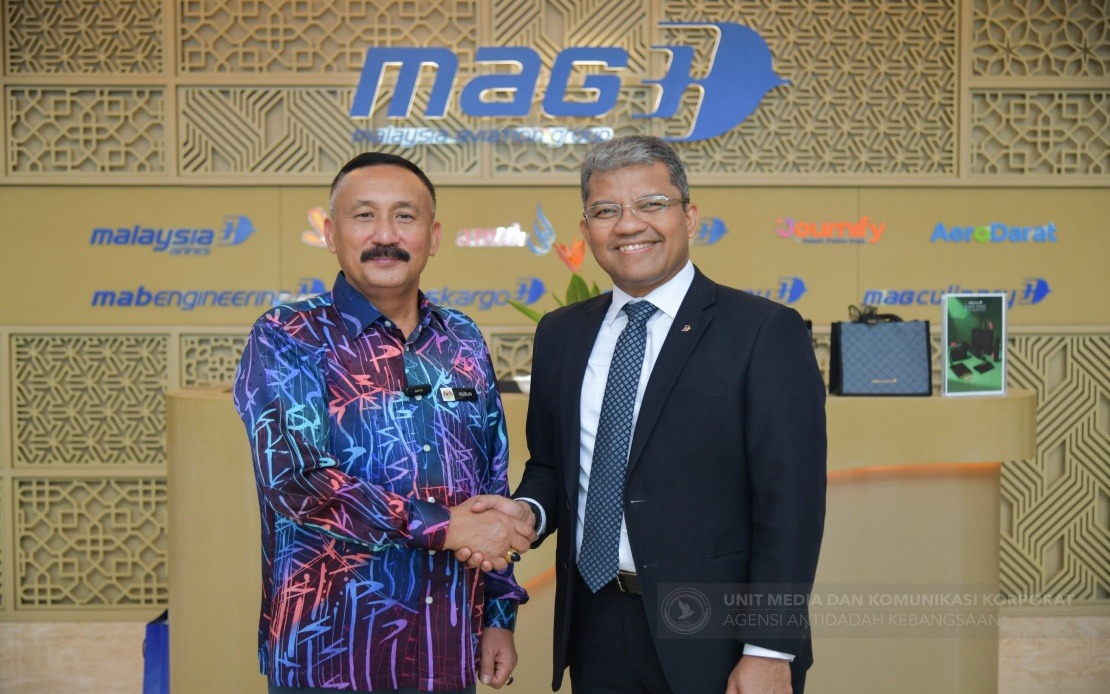
The National Anti-Drugs Agency (AADK) and Malaysia Aviation Group (MAG) have formally committed to strengthening their collaborative efforts against drug abuse, with both organisations signing a new memorandum of understanding to intensify prevention, eradication, and public awareness campaigns addressing the dangers of narcotics and illicit substances. The agreement signals a broadening recognition within Malaysia's transport sector that substance abuse poses a significant threat to operational integrity and worker safety.
The partnership was formalised following a courtesy visit by AADK director-general Datuk Ruslin Jusoh to MAG chief executive officer Captain Nasaruddin A Bakar at the company's Sepang headquarters. During their discussion, both parties outlined their intention to establish comprehensive strategic cooperation focused specifically on reducing drug and substance abuse among MAG's workforce, thereby creating what they termed a safer, healthier, and drug-free work environment across the national aviation service.
A cornerstone of this collaboration involves implementing the Drug-Free Workplace initiative, known locally as TEKAD, at MAG's premises and operational facilities. This programme represents a proactive safety measure that AADK leadership contends must be deployed immediately to preserve the integrity and safety standards essential to flight operations. The aviation sector's particular vulnerability to substance abuse-related incidents makes such workplace interventions especially critical, as impairment among personnel responsible for aircraft maintenance, ground operations, or other safety-sensitive roles could have catastrophic consequences.
Datuk Ruslin emphasised that the collaboration extends beyond internal organisational benefits, positioning Malaysia Airlines and other MAG subsidiaries as institutional partners in the nation's broader drug prevention architecture. By embedding anti-drug initiatives within one of Malaysia's largest employers in the aviation industry, the partnership aims to create ripple effects throughout the sector, encouraging other aviation operators and related businesses to adopt similar safeguarding protocols. This institutional approach reflects evolving best practice in substance abuse prevention, which increasingly targets workplace environments as strategic intervention points.
The memorandum addresses prevention through structured programming tailored to aviation sector employees, recognising that this workforce faces distinct occupational pressures and lifestyle factors that may influence substance abuse patterns. Regular training, awareness campaigns, and accessible support services form part of the comprehensive framework both organisations aim to establish. By focusing on prevention at the workplace level, AADK and MAG hope to intercept potential substance abuse problems before they escalate or compromise operational safety.
For Malaysia's aviation industry specifically, the partnership carries significance beyond individual corporate responsibility. The sector represents a critical national asset and major foreign exchange earner, with Malaysia Airlines serving as the flag carrier. Any operational disruption caused by substance abuse among personnel could damage the country's international reputation and competitiveness in global aviation markets. Enhanced drug prevention protocols therefore constitute not merely a workplace safety measure but a strategic safeguard for national economic interests.
The collaboration also reflects AADK's strategic pivot toward engaging private sector partners in drug prevention efforts. Rather than relying solely on enforcement and regulatory mechanisms, the agency increasingly recognises that prevention through institutional partnerships yields more sustainable results. By embedding anti-drug initiatives within major employers like MAG, AADK effectively extends its reach and influence into corporate environments where it lacks direct regulatory authority, creating stakeholder investment in prevention outcomes.
During the visit, AADK deputy director-general (Operations) Zainudin Abdullah accompanied Datuk Ruslin, alongside delegations from both organisations, underscoring the senior-level commitment both institutions have invested in formalising the partnership. This high-level engagement suggests that both AADK and MAG view the collaboration as strategically important rather than merely ceremonial, indicating concrete follow-through on implementation is anticipated.
The partnership also carries implications for broader occupational health and safety frameworks within Malaysian aviation. As workplace drug testing, employee assistance programmes, and prevention education become increasingly institutionalised at MAG facilities, industry standards may gradually shift, potentially encouraging competitors and related service providers to adopt comparable measures. This market-driven standardisation of safety protocols can ultimately benefit the entire sector by establishing consistent benchmarks and reducing competitive disadvantage for organisations implementing more rigorous prevention measures.
For Malaysian workers in the aviation sector, the partnership signals employer commitment to creating supportive work environments that address substance abuse through rehabilitation and prevention rather than purely punitive measures. Access to confidential counselling, treatment referrals, and educational resources may help identify individuals struggling with substance abuse early and direct them toward recovery options. This harm-reduction orientation complements enforcement efforts and reflects evolving international approaches to workplace drug policy.
The initiative also aligns with Malaysia's broader national drug strategy, which has increasingly emphasised prevention and rehabilitation alongside traditional enforcement approaches. By engaging corporate Malaysia in this effort, AADK positions the business community as active partners in achieving national drug control objectives. This collaborative approach may prove more effective than centralised government initiatives alone, as private sector resources, expertise, and institutional leverage can be mobilised toward shared goals.
Looking forward, the success of the AADK-MAG partnership may serve as a template for similar collaborations across other major Malaysian employers in safety-sensitive industries. Telecommunications, energy, healthcare, and transportation sectors could potentially benefit from comparable structured partnerships that embed drug prevention within workplace systems. Should this partnership demonstrate measurable success in reducing substance abuse among aviation sector employees, other industries may view similar arrangements as prudent investments in operational safety and workforce wellbeing.

