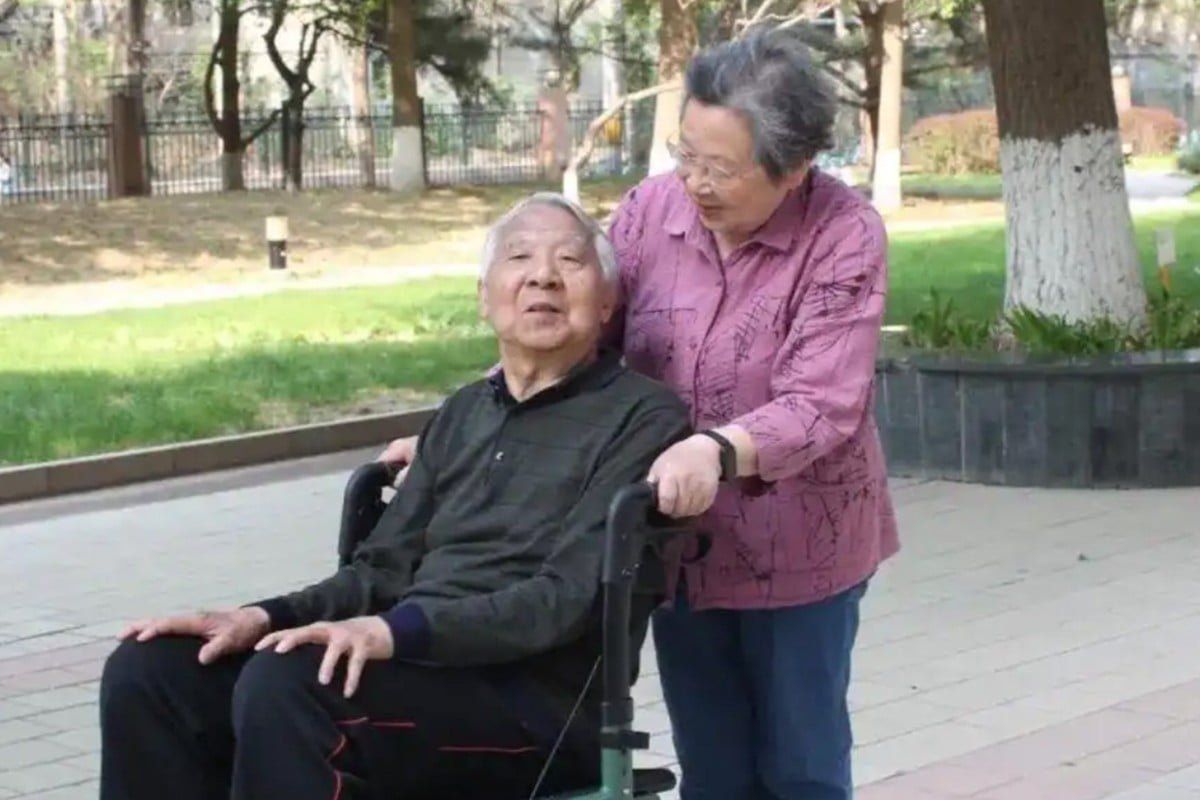
The story of Wen Bo and her husband resonates far beyond their Beijing home, capturing hearts across China and challenging conventional approaches to dementia care. At 90 years old, Wen has dedicated herself to full-time caregiving for her husband, who is two years her senior and was diagnosed with Alzheimer's disease in 2023. Their relationship, which began when they were secondary school classmates decades ago, has evolved into a compelling testament to commitment and compassion during life's most difficult chapters. The couple's decision to prioritize care at home rather than institutional settings reflects values increasingly important to Chinese families grappling with the realities of an ageing society.
Their life together spans more than six decades of shared experiences and mutual growth. After meeting as teenagers, they sustained a long-distance courtship before marrying in 1960, building a life marked by adventure and vitality. For most of their years together, they maintained active lifestyles—swimming regularly, taking walks, and travelling both within China and internationally. The arrival of grandchildren brought additional dimensions to their family narrative. This backdrop of a full, engaged life makes Wen's current commitment to preserving what remains of their shared existence particularly poignant.
When her husband's cognitive decline began in 2023, marked by progressive memory loss and incontinence, the family faced a defining moment. Rather than view their sons as a solution to the caregiving burden, despite their adult children's professional and family commitments, Wen assumed the role herself. This choice reflects broader cultural values around filial piety and marital obligation, yet it also represents a deeply personal decision rooted in love rather than obligation alone. The family support structure they created includes a domestic helper for cooking and household management, while children visit when schedules permit, creating a sustainable model that acknowledges realistic constraints while maintaining family involvement.
Wen's approach to her husband's deterioration demonstrates remarkable thoughtfulness about what dementia care can entail. Rather than accepting decline as inevitable, she engaged in self-education, studying Alzheimer's disease through books and online resources. She structured daily routines around cognitive stimulation, incorporating mathematical problems, puzzles, and painting sessions alongside physical exercises designed to maintain mobility and mental engagement. This proactive strategy appears to be yielding measurable results—her husband's condition has progressed more slowly than typical trajectories, and he retains enough independence to operate an electric wheelchair and occasionally remind his wife to rest.
The preservation of dignity emerges as the philosophical cornerstone of Wen's caregiving philosophy. She believes individuals with Alzheimer's should not be reduced to their diagnosis, insisting instead that "self-respect, a sense of existence, and the feeling of being needed are essential." This perspective manifests practically through her encouragement of simple household tasks completed at his own pace, and emotionally through nightly reminders about her name. Her declaration that she should be the last person he forgets encapsulates a profound understanding that maintaining connection—even fragmented connection—sustains personhood beyond memory loss.
Wen's documentation of this journey through social media has created an unexpected phenomenon. Her posts on RedNote, recording milestones like her husband completing an arithmetic test with only one error, have garnered support from millions of Chinese netizens. These aren't saccharine announcements but honest chronicles of a difficult reality navigated with grace and practical wisdom. When she mentions considering hospice care should conditions deteriorate significantly, she demonstrates mature acceptance of limits while emphasizing that she will continue advocating for her husband's dignity regardless of circumstance.
The resonance of Wen's story reflects China's urgent need for caregiving models and elder care philosophy. The nation's population aged 60 and over has surpassed 320 million—more than one-fifth of the total population—creating unprecedented demand for both practical solutions and emotional guidance about ageing. Traditional filial structures are under strain as urbanization, smaller family sizes, and demanding careers reshape family dynamics. Institutional care remains culturally fraught and practically limited, leaving many families uncertain about how to navigate cognitive decline.
For China's younger generation, Wen's narrative offers something invaluable: a vision of later life that doesn't default to despair. Her example demonstrates that maintaining independence, pursuing meaningful activity, and honouring relationships remains possible even within cognitive decline. The comments from netizens reveal the deep hunger for such guidance—one observer noted how Wen's posts "show what an ideal later life could look like: being with the person you love while living independently," while another expressed that her experiences have allayed fears and provided concrete confidence about future caregiving responsibilities.
This story also illuminates the gendered dimensions of elder care in China. At 90, Wen performs physically and emotionally demanding labour that would typically fall to younger family members. Her commitment reflects not only marital dedication but also generational expectations about women's caregiving roles. Yet her prominence and influence suggest something shifting—recognition that such labour deserves visibility, respect, and knowledge-sharing rather than quiet family endurance.
Ultimately, Wen's journey represents a quiet but powerful statement about what matters as we age. Against a backdrop of rapid social change and demographic pressures, she insists on the possibility of dignity even in decline, autonomy even in dependence, and love even in loss of recognition. Her husband may progressively forget who she is, yet through her steadfast reminder each night, she ensures he remembers her name. In this simple, nightly ritual lies both the limitation and the triumph of human connection—what remains when memory fails is the choice to keep showing up, to keep trying, to keep mattering to another person. For millions watching her journey unfold, this becomes not just a personal story but a template for imagining how to age, and how to love, when the future becomes uncertain.

