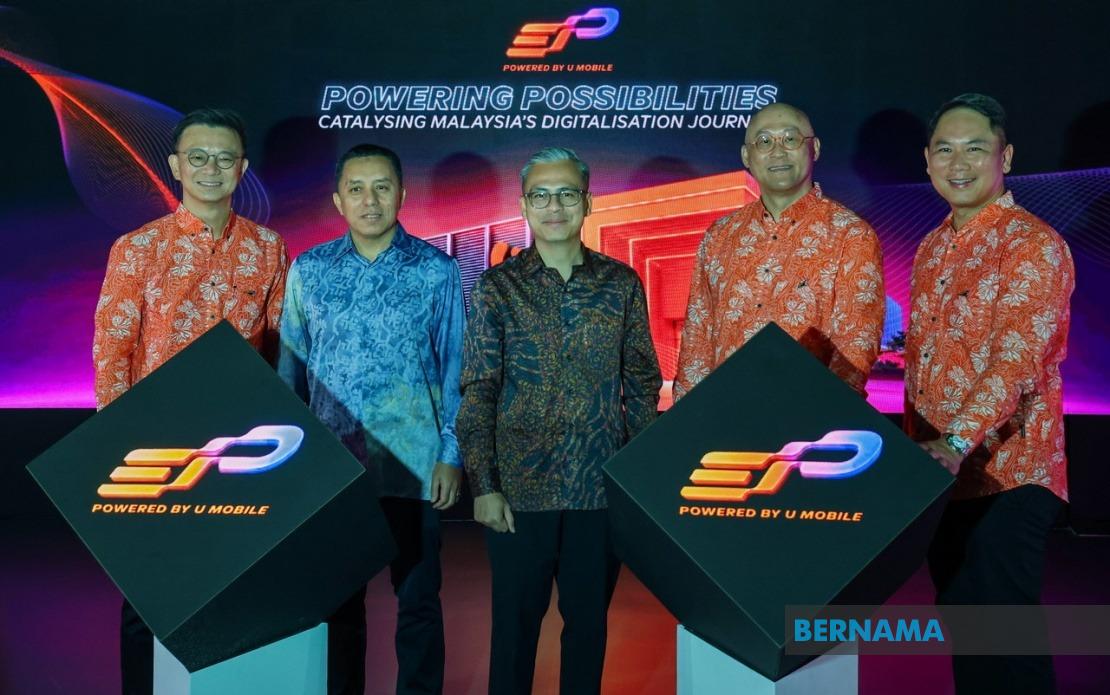
Datuk Seri Fahmi Fadzil, Malaysia's Communications Minister, has underscored the substantial opportunities that 5G Advanced technology—also referred to as Ultra 5G—presents for driving sectoral transformation across the nation. Speaking at the launch of the U Mobile Enterprise Innovation Platform Hub in Kuala Lumpur on August 6, Fahmi articulated a vision of how this next-generation connectivity infrastructure can be deployed to modernise operations in agriculture, healthcare, retail and security applications, leveraging the integration of artificial intelligence and robotics capabilities.
The minister pointed to concrete use cases where Ultra 5G deployment would yield immediate operational gains. Within hospital environments, he identified how the technology could alleviate nursing workload pressures and enhance the quality of patient care delivery by enabling remote monitoring and automated administrative functions. In agricultural settings, particularly at oil palm plantations which represent a cornerstone of Malaysia's agribusiness sector, the combination of high-speed connectivity and AI-powered analytics would permit real-time crop management, predictive maintenance of equipment, and optimised resource allocation—thereby boosting productivity across one of Malaysia's most labour-intensive industries.
The retail sector stands to benefit significantly from Ultra 5G's advanced data analytics infrastructure. Fahmi explained that retailers deploying this technology would gain enhanced visibility into inventory dynamics and consumer purchasing behaviour. By processing granular transaction and behavioural data in real time, businesses could refine stock management strategies, minimise wastage, and anticipate market trends with greater accuracy. This capability becomes increasingly valuable in Malaysia's competitive retail landscape, where consumer preferences evolve rapidly and supply chain efficiency directly affects profitability.
Beyond commercial applications, the minister highlighted the critical potential of 5G-enabled drone surveillance systems for securing Malaysia's extensive borders. He noted that select locations already utilise 5G connectivity to power drone monitoring operations, with applications spanning territorial surveillance and security patrols. This emerging application addresses longstanding challenges in border management across Malaysia's land and maritime frontiers, where terrain complexity and vast distances have historically constrained enforcement capacity.
Fahmi stressed that security and border management agencies must systematically evaluate the feasibility of adopting 5G-powered surveillance infrastructure. He specifically referenced the Malaysian Border Control and Protection Agency (AKPS) and the Royal Malaysia Police (PDRM) as entities that should prioritise assessments of how Ultra 5G deployment aligns with their operational requirements and strategic objectives. Such evaluations would determine implementation timelines and resource requirements for expanding drone-based monitoring across vulnerable border regions.
The minister also emphasised the Malaysian Communications and Multimedia Commission's (MCMC) readiness to collaborate with the Home Ministry and other relevant government bodies to strengthen internet coverage in currently underserved border zones. This coordination reflects recognition that border security modernisation depends not solely on technology adoption, but on foundational connectivity infrastructure that extends beyond densely populated urban centres. Expanding reliable 5G coverage to remote and sensitive areas presents both technical and budgetary challenges that require sustained inter-agency cooperation.
5G Advanced represents a significant evolutionary step beyond conventional fifth-generation mobile networks, operating on a 5G Standalone (SA) architecture rather than relying on legacy 4G infrastructure. The technology delivers several technical advantages that underpin its transformative potential: ultra-low latency enables near-instantaneous data transmission crucial for time-sensitive applications like autonomous systems and remote medical procedures; network slicing capabilities allow operators to partition physical infrastructure into virtualised networks optimised for specific use cases; and doubled data capacity relative to earlier 5G iterations accommodates the proliferation of connected devices and intensive data processing demands.
Enhanced AI-powered security features embedded within Ultra 5G architecture address growing cybersecurity concerns that accompany expanded digital infrastructure deployment. As Malaysia accelerates its digital transformation agenda, ensuring that foundational connectivity infrastructure incorporates advanced security protections becomes essential for safeguarding both government operations and commercial enterprise systems against sophisticated cyber threats.
The timing of Fahmi's remarks reflects Malaysia's broader push to position itself as a regional technology leader and to leverage digital infrastructure as a driver of economic productivity and competitiveness. The government's commitment to 5G deployment aligns with initiatives spanning the National Digital Infrastructure Plan and broader Industry 4.0 adoption targets. For Malaysia's business community and government agencies, the pathway forward involves deliberate sectoral assessments of where Ultra 5G creates measurable competitive advantages and efficiency gains.
The emphasis on agricultural applications carries particular significance given the sector's importance to rural employment and Malaysia's international trade positioning. Similarly, healthcare modernisation through 5G connectivity addresses long-standing challenges in delivering quality medical services across geographically dispersed populations, particularly in Sabah and Sarawak where distance constraints have historically limited access to specialist care.
While Fahmi's presentation outlined considerable opportunities, successful Ultra 5G rollout will require sustained public and private investment, regulatory frameworks that balance innovation with consumer protection, and coordination across multiple government agencies and telecommunications operators. The minister's framing of MCMC's collaborative posture suggests government recognition that technology deployment decisions cannot remain siloed within communications ministries, but instead demand integration with sectoral policy objectives spanning health, agriculture, security and economic development.

