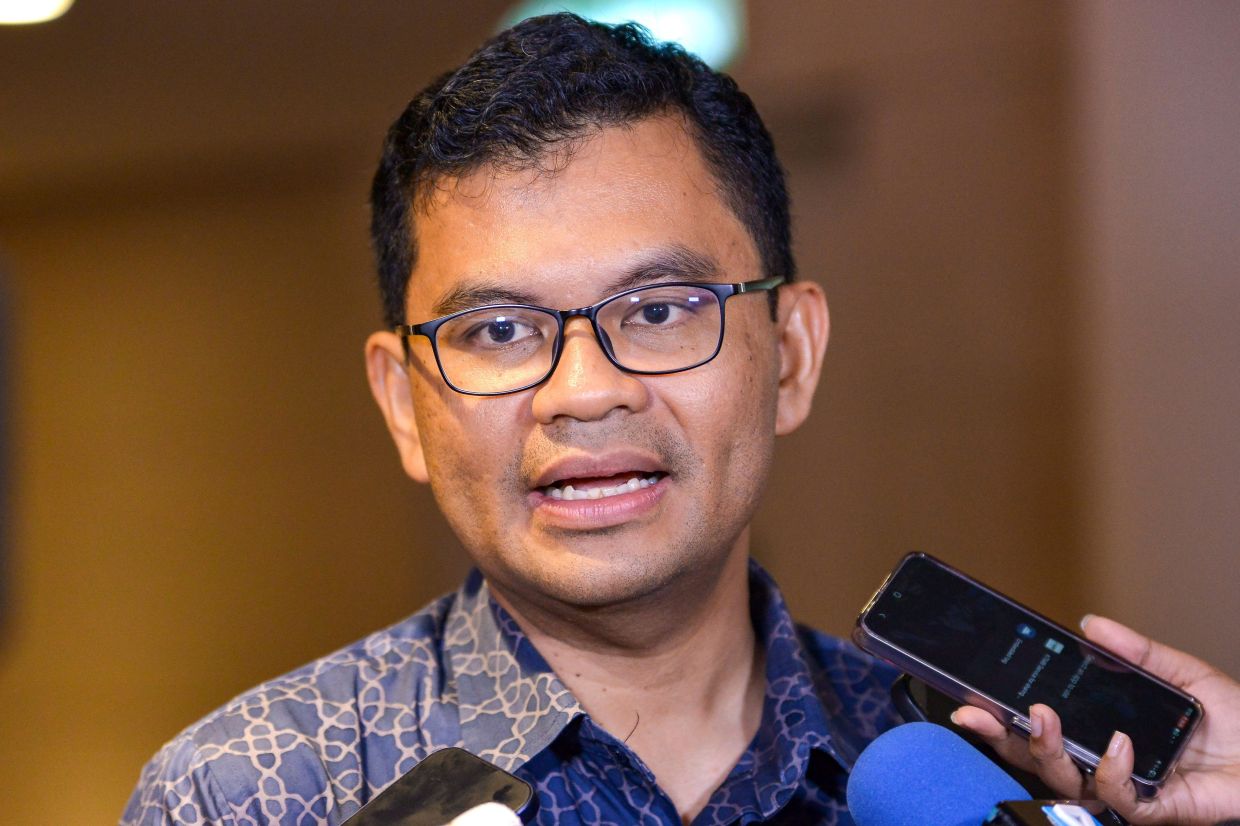
Malaysia's push to expand renewable energy capacity has accelerated with the successful allocation of 42 Feed-in Tariff projects across the country, representing a significant step in the government's transition toward sustainable power generation. The projects, which span biogas, biomass and small hydropower installations, are anticipated to mobilise approximately RM4.3 billion in combined capital expenditure, according to Economy Minister Akmal Nasrullah Mohd Nasir, who announced the awards at the 7th International Sustainable Energy Summit in Kuala Lumpur.
The allocation demonstrates Malaysia's commitment to diversifying its energy portfolio beyond traditional fossil fuels. The 42 successful bidders will develop 16 biogas installations, 11 biomass facilities and 15 small hydropower schemes, bringing together a combined generation capacity of 331.355 megawatts. This distributed approach to renewable capacity—spreading projects across multiple technologies and locations—reflects Malaysia's recognition that energy security depends on a balanced mix of renewable sources rather than concentration in any single technology or region. The geographic and sectoral diversity also positions the initiatives to support development across rural and semi-rural areas where hydropower potential and agricultural feedstock for biogas and biomass systems remain largely untapped.
The economic multiplier effects of these projects extend well beyond the direct investment figures. The awarded ventures are expected to generate approximately RM617 million in procurement demand for domestically manufactured gas engines and boilers, signalling a strategic alignment between renewable energy expansion and local industrial development. This domestic content requirement strengthens Malaysia's position in the regional clean energy supply chain and reduces dependency on imported equipment, a consideration of growing importance as Southeast Asia competes for renewable energy investment and manufacturing hubs.
The employment outcomes underscore the labour-intensive nature of renewable energy infrastructure development. Ministry figures indicate that the 42 projects will create approximately 7,738 indirect employment opportunities across construction, manufacturing, maintenance and operational sectors. These jobs typically distribute across communities rather than concentrating in major urban centres, potentially supporting regional economic development and alleviating employment pressures in rural areas. The indirect employment multiplier—estimated through the project cascade of supply chains and supporting services—suggests that the actual economic benefit may exceed headline investment numbers.
Breaking down by technology reveals the strategic priorities embedded in the allocation. Biogas projects, comprising 16 installations with 26.185 megawatts of approved capacity, represent an important pathway for managing agricultural and organic waste while generating renewable electricity. Biomass initiatives account for the largest single capacity block at 135.94 megawatts across 11 projects, leveraging Malaysia's substantial forestry and agricultural sectors. Small hydropower schemes, totalling 169.23 megawatts across 15 projects, capture the potential of Malaysia's river systems in a manner that minimises environmental disruption compared to large-scale dam construction.
The competition for FiT allocations has been robust. The Sustainable Energy Development Authority (SEDA) Malaysia received 48 applications for these three renewable technology categories, representing a combined proposed capacity of 370.480 megawatts. This means that approximately 90 percent of submitted applications progressed to award status, though the selection process remained rigorous. The authority evaluated submissions based on site suitability assessments, the tariff rates proposed by developers, technical feasibility considerations, and the availability of supporting ecosystem infrastructure including grid connection capabilities and supply chain maturity.
The FiT mechanism itself represents a proven policy tool for stimulating renewable energy investment. By guaranteeing long-term fixed prices for renewable electricity fed into the national grid, the mechanism provides the investment certainty that renewable energy developers require to secure financing and complete projects. Malaysia's successive iterations of FiT allocations—of which the 2026 round is the latest—have progressively expanded renewable capacity while maintaining competitive selection processes that encourage efficiency improvements and cost reductions among developers.
The implementation timeline reflects the practical realities of large-scale energy infrastructure development. The ministry projects that these awarded projects will achieve commercial operation between 2029 and 2030, representing a three to four year development window. This timeframe accommodates site preparation, environmental approvals, equipment procurement, construction and grid connection processes. The phased grid integration across this period will also allow Malaysia's electricity system operators to manage network stability and distribution during the renewable transition.
For Malaysia, these allocations serve multiple policy objectives simultaneously. The renewable energy expansion contributes to the country's commitments under international climate frameworks, including emissions reduction targets and renewable energy generation percentages. Domestically, the investment in renewable capacity diversifies the energy supply base, reducing vulnerability to fossil fuel price volatility and supply disruptions. The integration of local manufacturing and employment creation ensures that energy policy also serves broader economic development goals.
The broader Southeast Asian context amplifies the significance of Malaysia's FiT initiatives. The region faces mounting pressure to balance rapidly growing electricity demand from industrialisation and urbanisation against climate imperatives to decarbonise power systems. Malaysia's demonstrated ability to allocate renewable projects competitively while driving local industrial capability and employment creates a template of sorts for other regional economies navigating similar transitions. The success or challenges encountered in implementing these 42 projects will likely inform policy discussions across ASEAN nations grappling with their own renewable energy strategies.

