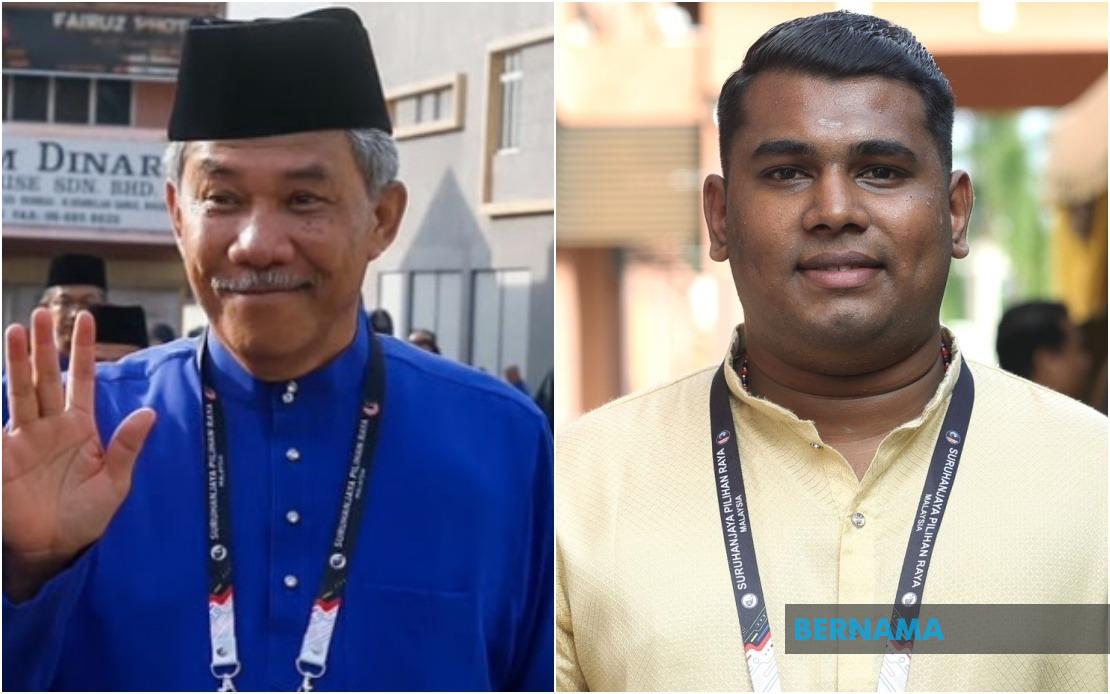
The 16th Negeri Sembilan state election is shaping up as a contest that spans generations, with the youngest contestant being M. Leevineshwaraan, a 23-year-old fielded by Bersatu who is vying for the Sri Tanjung seat. This milestone marks a notable shift in electoral participation, breaking the previous record set just a year ago during the 15th state polls when Muhammad Syakir Fitri Sadri, contesting as an Independent in Paroi, was 25 at the time of candidacy. Leevineshwaraan's entry into the electoral arena represents the kind of youth engagement that political parties are increasingly seeking to mobilize as they compete for voter support across the state.
The Sri Tanjung contest where Leevineshwaraan is running will be anything but straightforward, as he faces a crowded field of five candidates all seeking mandate from voters in a state seat where nearly 20,000 people are eligible to cast ballots. His principal obstacle comes in the form of the incumbent, Datuk Dr G. Rajasekaran from Pakatan Harapan, who retained the seat in the previous election by securing a commanding margin of 3,996 votes. For Leevineshwaraan to make his mark, he will need to either chip away at the PH base in the constituency or mobilize fresh voter support in areas where Bersatu currently lacks depth. The presence of multiple candidates in the race also means that victory could potentially be achieved with a relatively modest vote share if the opposition support becomes fragmented.
At the opposite end of the age spectrum, Negeri Sembilan's political establishment continues to be represented by seasoned operators who bring decades of experience to their campaigns. Datuk Seri Mohamad Hasan, who holds the position of Barisan Nasional deputy chairman, and Abd Latif A Tambi representing Pakatan Harapan are both 70 years old, making them the eldest candidates in the contest. Mohamad is defending his longstanding Rantau seat, which falls within the Rembau parliamentary constituency and encompasses 34,831 eligible voters, while Abd Latif is mounting a challenge in Gemencheh, a seat situated in the Tampin parliamentary area with 24,916 registered voters. Both contests are expected to be two-way battles, suggesting that these senior figures remain sufficiently competitive within their respective parties to warrant nomination.
The presence of these elder statesmen in the field underscores a broader pattern in Malaysian politics where senior politicians often maintain their electoral viability even as younger candidates begin to emerge. The 2023 state election had seen the oldest candidate at 72 years, so the shift toward slightly younger senior candidates this time around might reflect evolving party strategies or demographic considerations. Yet the persistence of candidates in their seventies competing actively in state elections demonstrates that age alone does not determine electoral competitiveness, particularly for individuals who have built strong personal followings and institutional support within their constituencies over many years.
The demographic composition of the 2024 candidate pool also reveals significant gender imbalances within the electoral process, despite some marginal improvements from the previous cycle. Out of 103 candidates contesting across all state seats, only nine are women, representing roughly 9 percent of the field. Pakatan Harapan has fielded the largest contingent of female candidates with four, suggesting that this coalition is more committed to gender representation than its competitors. While the overall number of women candidates has inched upward from eight out of 83 contestants in the previous election, the baseline remains stubbornly low, indicating that substantial work lies ahead if Malaysian state elections are to approach gender parity in candidacy.
The geographical spread of Negeri Sembilan's electoral landscape plays an important role in shaping campaign dynamics across the state. Sri Tanjung operates within the Port Dickson parliamentary constituency, which collectively contains five state seats and boasts 19,590 registered voters in that particular seat. This relatively concentrated voter base means that door-to-door campaigns and localized messaging can prove particularly effective, allowing younger candidates like Leevineshwaraan to potentially overcome experience gaps through intensive community engagement. The varying sizes and compositions of state seats across different parliamentary constituencies also mean that strategies that succeed in one area may not translate neatly to another.
The electoral commission has implemented a structured timeline for the voting process that will provide a compressed campaign window for all contestants. Early voting is scheduled for July 28, while the main polling day falls on August 1, giving candidates and parties just over a week from the announcement date to mobilize supporters and secure votes. This compressed timeframe places particular pressure on candidates to establish themselves quickly in voter consciousness, potentially favoring those with existing name recognition or party machinery advantages. For newcomers like Leevineshwaraan, maximizing every opportunity to reach voters becomes critical.
The competitive landscape in Negeri Sembilan also reflects broader trends in Malaysian state-level politics, where traditional two-coalition dominance is increasingly challenged by other political actors. Bersatu's decision to field Leevineshwaraan in a competitive seat suggests that the party is making calculated decisions about where it can realistically challenge incumbent parties, even in constituencies where past performance may not favor it strongly. The five-way contest in Sri Tanjung may also signal the presence of candidates from smaller parties or Independents who believe they can carve out space in an increasingly fragmented political environment.
For Southeast Asian observers monitoring Malaysian electoral developments, the Negeri Sembilan contest offers insights into how political dynamics are evolving at the state level even as national politics continues to shift. The emergence of very young candidates and the continued prominence of septuagenarian politicians suggests that Malaysian parties are simultaneously trying to appeal to fresh constituencies while maintaining support from established voter blocs. The gender representation issue also mirrors challenges seen across Southeast Asia, where women remain substantially underrepresented in formal politics despite demographic majorities in most populations.
The outcomes in Negeri Sembilan will carry implications for how the three main coalitions and political actors view electoral viability heading into potential national elections. Barisan Nasional's performance, particularly in defending seats like Rantau, will be closely watched as an indicator of the coalition's standing in heartland constituencies. Pakatan Harapan's ability to consolidate support and potentially expand its footprint will signal its preparedness for larger electoral contests. Meanwhile, Bersatu's competitive positioning in seats like Sri Tanjung will demonstrate whether the party has successfully established itself as a credible alternative or whether it remains dependent on specific demographic or regional bases for electoral success.

