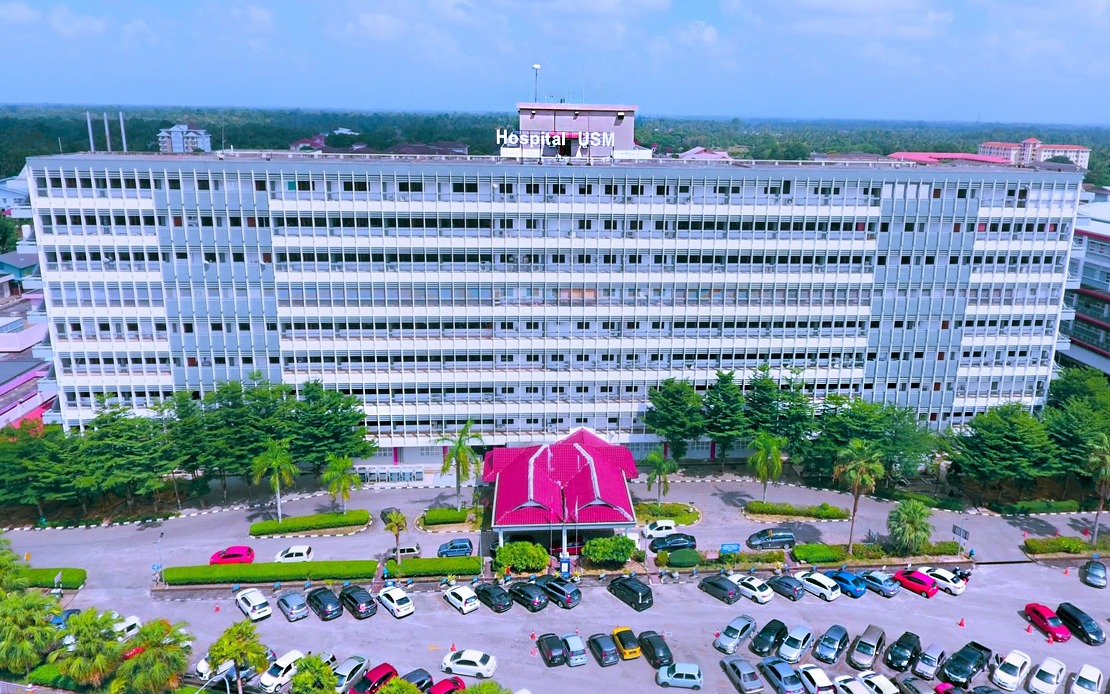
Twenty-three students between the ages of seven and nineteen will have strabismus—a condition involving eye misalignment—surgically corrected at Universiti Sains Malaysia Specialist Hospital (HPUSM) over a five-day period beginning this week. The intervention represents a major step forward in addressing chronic delays that have historically seen patients waiting anywhere from several months to years for the procedure. The surgeries are being conducted as part of the second Strabismus Surgery Carnival, a specialized medical initiative running through August 20 at the Kota Bharu facility.
The hospital's director, Datuk Dr Ab Rahman Izani Ghani @ Ab Ghani, emphasized that the carnival model brings together eye specialists and trainee ophthalmologists to provide assessment and surgical treatment in an intensive, coordinated manner. This approach has proven effective in clearing backlogs while simultaneously offering valuable training opportunities for postgraduate medical students specializing in eye conditions. The strategic gathering of expertise allows the hospital to process cases efficiently while maintaining surgical standards.
These twenty-three students were identified through HPUSM's Short-sightedness and Strabismus Eye Intervention Programme, which has systematically screened schoolchildren throughout Kelantan over the past three years. The broader screening effort detected approximately three hundred students with various eye problems, with strabismus being among the most significant. The identification process demonstrates the value of proactive school-based eye health initiatives in catching conditions early, before they compound other developmental challenges.
Strabismus, commonly known as crossed eyes or eye turn, is far more than a cosmetic concern, according to Prof Dr Shatriah Ismail, a pediatric ophthalmology consultant at USM School of Medical Sciences. The condition can impair visual function and eye coordination while significantly affecting a child's psychological development during crucial formative years. Children with untreated strabismus often experience reduced self-confidence, social difficulties, and challenges adapting to daily activities including schoolwork.
The psychological impact of strabismus on young people should not be underestimated in the Malaysian context, where educational performance and social integration are paramount concerns for families. Children who feel self-conscious about their appearance often withdraw from classroom participation and peer interactions, potentially affecting academic achievement and social development. By addressing the condition surgically during school years, the hospital is essentially removing a barrier that could otherwise hinder educational and social progress.
Financing the surgical carnival presented a significant logistical challenge, which was addressed through collaborative funding from the Kelantan Islamic Religious and Malay Customs Council (MAIK) alongside contributions from several non-governmental organizations. This multi-stakeholder funding model reflects broader healthcare trends in Malaysia where government facilities increasingly partner with religious bodies and community organizations to expand access to specialized services. The arrangement also demonstrates how MAIK, traditionally focused on Islamic affairs and Malay customs, has expanded its social responsibility mandate to encompass healthcare initiatives.
The waiting list crisis for strabismus surgery has long been a pain point within Malaysia's public healthcare system, particularly in less-developed states like Kelantan. Long delays mean children continue attending school and navigating social situations while living with a correctable condition, potentially compounding the psychological effects. The carnival approach offers a pragmatic solution to these bottlenecks by concentrating resources and expertise in intensive bursts rather than spreading limited capacity across routine surgical schedules.
For Kelantan specifically, the initiative carries particular significance given the state's position among Malaysia's less-developed regions with historically lower access to specialized medical services. The public healthcare system in Kelantan has faced persistent resource constraints, making innovations like the surgery carnival especially valuable in leveling the playing field for students who might otherwise face years-long waits. Rural and lower-income families in the state benefit disproportionately from such targeted interventions that temporarily surge capacity.
The training component embedded within the carnival also strengthens Malaysia's long-term ophthalmology workforce. Postgraduate students gain practical experience in strabismus surgery under supervision of experienced consultants, accelerating their development as specialists. This knowledge transfer ensures that expertise becomes embedded within the system rather than remaining concentrated among a handful of senior practitioners. The sustainability of such programs depends on continuous training of new cohorts of specialists.
Looking forward, the success of this second carnival could catalyze similar initiatives across other Malaysian states, particularly in less-developed regions where waiting lists remain prohibitively long. The model offers replicability—combining school screening programs with intensive surgical carnivals and multi-stakeholder funding. Should the approach expand systematically, it could transform access to eye surgery for thousands of Malaysian schoolchildren, reducing not merely the medical burden but also the social and psychological costs of untreated visual conditions.

