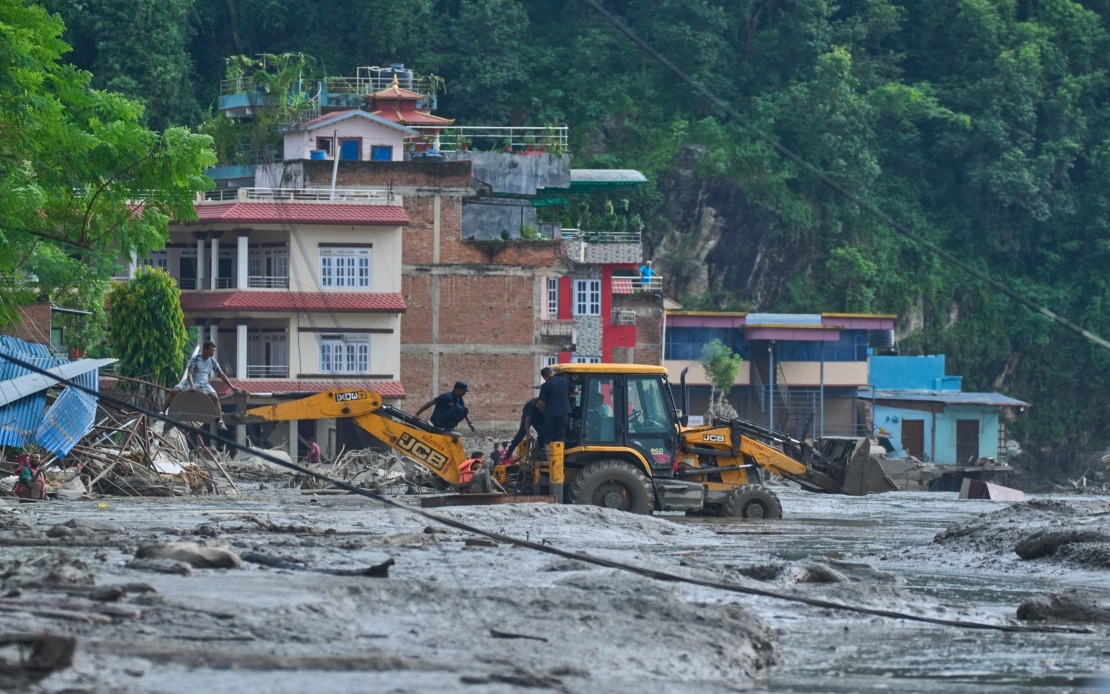
A devastating flash flood that swept through Nepal's Rasuwa district on Wednesday morning has left 17 Malaysians among the hundreds of people reported missing, according to Nepal's tourism authority. The deluge, triggered by the sudden overflow of the Bhote Koshi river, has created one of the most significant disasters affecting foreign nationals in the region in recent years, prompting an urgent international response and raising serious questions about preparedness in remote mountainous areas that attract adventure tourists.
According to Nepal's tourism board, the Malaysian nationals who have lost contact were travelling with Fishtail Tours and Travels, a tour operator based in the country. The initial assessment released by authorities indicated that at least 291 foreign visitors and 93 Nepalese nationals remain unaccountable following the flooding event. Police forces and representatives from multiple tour companies have begun coordinated efforts to trace the missing persons, though the mountainous terrain and damage to infrastructure have significantly hampered their initial attempts.
The Malaysian Foreign Ministry responded swiftly to the crisis, issuing a statement confirming that 11 Malaysian nationals believed to have been in the Rasuwa district had lost all contact with their families and tour operators following the flood. However, the tourism board's figure of 17 missing Malaysians suggests that more individuals may have been affected than initially reported through government channels. The discrepancy highlights the chaotic nature of disaster response in the immediate aftermath, when communication systems are compromised and accounting for all victims remains challenging.
The Malaysian Embassy in Kathmandu has been designated as the central coordinating point for all government efforts related to the crisis. Embassy officials have established direct lines of communication with the Nepalese authorities and are maintaining regular updates with families of the missing Malaysians back home. The embassy stressed that Nepalese government search and rescue teams are actively deployed across the affected areas, working methodically through debris fields and collapsed structures to locate survivors and account for all missing persons.
The flooding has caused catastrophic damage across the Rasuwagadhi-Timure area, a region known for its trekking routes and hydropower infrastructure projects. The Bhote Koshi river, which typically flows as a picturesque tributary through the mountain valleys, transformed into a raging torrent that obliterated entire villages in its path. Homes, commercial establishments, and critical infrastructure including roads and hydropower facilities were swept away, leaving the region in a state of emergency. The destruction has not only complicated rescue efforts but has also threatened the local economy, which depends heavily on tourism revenue.
Among the foreign nationals unaccounted for, 142 Indians have lost contact, with 37 of them being Indian citizens residing abroad who were holidaying in Nepal. Citizens from Britain, South Africa, and the United States are also among the missing, indicating that this disaster has affected people from across the globe who came to Nepal seeking adventure and natural beauty. The international scope of the tragedy has prompted diplomatic involvement from multiple nations, all coordinating with the Nepalese government to ensure comprehensive search coverage and aid delivery.
For Malaysian travellers and their families, the incident underscores the inherent risks associated with adventure tourism in mountainous regions, particularly during monsoon seasons when weather patterns can change dramatically and cause natural disasters with minimal warning. The Rasuwa district, while renowned among trekkers for its stunning Himalayan vistas and challenging routes, has limited emergency response infrastructure compared to urban centres, making rescue operations exponentially more difficult when disasters strike. Local guides and tour operators in the region often work with basic communication equipment, which can delay emergency alerts and hinder coordinated response efforts.
The Malaysian government has urged all citizens planning trips to Nepal to exercise heightened caution and stay informed about weather conditions and regional hazards before and during their visits. Tour operators are being advised to review their emergency protocols and ensure that all guides carry adequate safety equipment and communication devices. The tragedy also raises questions about whether tour agencies adequately inform clients about natural disaster risks inherent to specific trekking routes and seasons.
Search and rescue operations are expected to continue for several days as teams navigate challenging terrain and adverse weather conditions. The international community has pledged support to Nepal's government, with offers of specialized rescue equipment and personnel. For Malaysian families waiting for news of their loved ones, the days ahead will be fraught with anxiety as authorities gradually piece together what happened during those catastrophic hours when the river overwhelmed the landscape and swept away lives, livelihoods, and the sense of safety that visitors typically associate with guided tour experiences.

