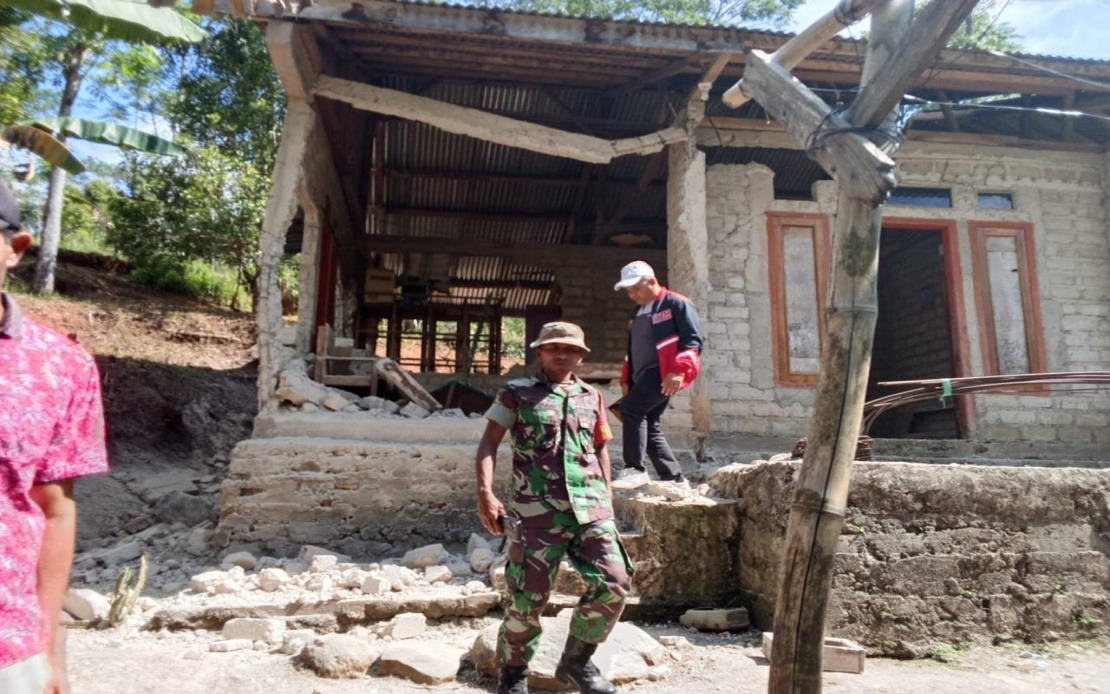
The Malaysian Foreign Ministry has provided reassurance following a significant seismic event in Indonesia's eastern region, confirming that a group of 16 Malaysian tourists who were present in the affected zone remain unharmed. The earthquake, which registered 7.7 on the magnitude scale, struck the area northeast of Mbay in Nagekeo Regency on Flores Island at 4.58 am local time, triggering immediate concern for Malaysian nationals in the vicinity.
The embassy in Jakarta, which serves as Malaysia's primary diplomatic mission in Indonesia, moved swiftly to establish contact with all known Malaysian visitors in the region following the tremor. Through coordinated efforts, officials successfully confirmed the safety and wellbeing of the entire group. The ministry's media advisory, released on Saturday, emphasised that no Malaysian citizens had been reported as casualties or significantly affected by the disaster, a critical update given the magnitude of the seismic activity and the potential for widespread damage in such earthquake-prone zones.
The rapid response from diplomatic channels underscores the importance of Malaysia's regional presence and consular infrastructure. Embassy staff in Jakarta engaged directly with local Indonesian authorities to verify the status of Malaysian nationals and to ensure that any necessary support could be mobilised quickly. This coordinated approach reflects established protocols for managing crisis situations abroad, where timely communication and verification become essential factors in safeguarding citizens' wellbeing.
Flores Island, located in East Nusa Tenggara province, sits within the Pacific Ring of Fire, an area characterised by intense volcanic and seismic activity. The presence of Malaysian tourists in such regions is not uncommon, as Indonesia remains a popular destination for Malaysian travellers seeking natural attractions, cultural experiences, and adventure tourism. The island's scenic landscapes and geographical features draw considerable numbers of visitors from neighbouring countries throughout the year, making earthquake preparedness and tourist safety monitoring ongoing concerns for both Indonesian and Malaysian authorities.
The Foreign Ministry's advisory extended beyond the immediate confirmation of safety to include broader guidance for all Malaysians in the affected areas and beyond. Travellers and residents were urged to maintain heightened vigilance and adhere strictly to all safety instructions disseminated by local Indonesian authorities. This guidance reflects standard consular practice in situations involving natural disasters, where compliance with local emergency protocols can significantly reduce risks and facilitate coordinated relief and recovery operations.
A particular emphasis was placed on the importance of Malaysians maintaining updated contact information through official channels. The ministry highlighted the e-Konsular portal as a critical tool for registration and communication, enabling the Foreign Ministry to maintain comprehensive records of Malaysian nationals abroad and to contact them efficiently during emergencies. This digital infrastructure has become increasingly essential for consular operations across Southeast Asia, streamlining the process of disseminating urgent information and coordinating assistance when crises occur.
For those requiring immediate help, the Malaysian Embassy in Jakarta has established dedicated emergency communication channels specifically for consular assistance. The emergency helpline, accessible at +6281380813036, and the dedicated email address [email protected] provide direct pathways for Malaysians facing urgent situations to connect with embassy staff. These contact mechanisms serve as lifelines for citizens abroad, particularly valuable during natural disasters when conventional communication networks may be disrupted or overwhelmed.
The earthquake's magnitude of 7.7 represents a significant seismic event capable of causing substantial damage across broad geographical areas. Such tremors can trigger secondary hazards including landslides, tsunamis, and aftershocks, all of which pose ongoing risks to populated regions. The Indonesian government's response systems, combined with international support networks and coordination with neighbouring countries' diplomatic missions, form multiple layers of disaster response infrastructure intended to minimise casualties and facilitate rapid recovery efforts.
This incident highlights the broader context of natural disaster risk management across Southeast Asia, where nations face recurring earthquakes, typhoons, and other environmental hazards. Malaysia's proactive diplomatic engagement in monitoring and responding to such events demonstrates the practical importance of consular services and international cooperation. The swift verification and public communication regarding Malaysian nationals' safety help reduce anxiety among families back home and exemplify the essential role that embassies play in protecting citizens' interests abroad.
The ministry's commitment to ongoing monitoring and regular updates reflects the dynamic nature of disaster situations, where circumstances can change and new information may emerge requiring revised guidance. By maintaining this vigilant posture and remaining in close contact with local authorities, the Foreign Ministry ensures that Malaysian authorities can respond rapidly should any developments occur affecting nationals in the region. This forward-looking approach, combined with practical tools like the e-Konsular portal and dedicated emergency contacts, represents a comprehensive framework for safeguarding Malaysians abroad during times of crisis.

