A chartered speedboat carrying Indian tourists and Vietnamese crew capsized near Phu Quoc island on Saturday afternoon, claiming 15 lives and marking one of Vietnam's deadliest maritime incidents involving foreign visitors in recent years. The remains were flown out of Ho Chi Minh City on Monday, returning to grieving families across three Indian states—Tamil Nadu, Andhra Pradesh and Kerala—in what represents a tragedy that has shaken both the tourism industry and diaspora communities.
The vessel departed from Hon May Rut Ngoai island with 32 Indian passengers and four Vietnamese crew members when it encountered severe weather conditions shortly after leaving port. Eyewitness accounts reveal the situation deteriorated rapidly, with a powerful wave striking the boat and triggering immediate panic among those aboard. The vessel then rocked violently in mounting swells before ultimately overturning, leaving survivors clinging to wreckage in choppy waters off southern Vietnam's premier beach destination.
Nirmal Kumar, a 44-year-old businessman who survived the ordeal, provided harrowing details of the minutes preceding the disaster. He described how passengers scrambled across the deck as the boat became increasingly unstable, with many jumping overboard as capsize became inevitable. Within five minutes, rescue teams arrived and pulled survivors from the water, though by then the toll had already been set. Kumar's account underscores the speed with which recreational travel transformed into a life-or-death struggle, leaving him emotionally devastated by the loss of a childhood friend who had joined the trip.
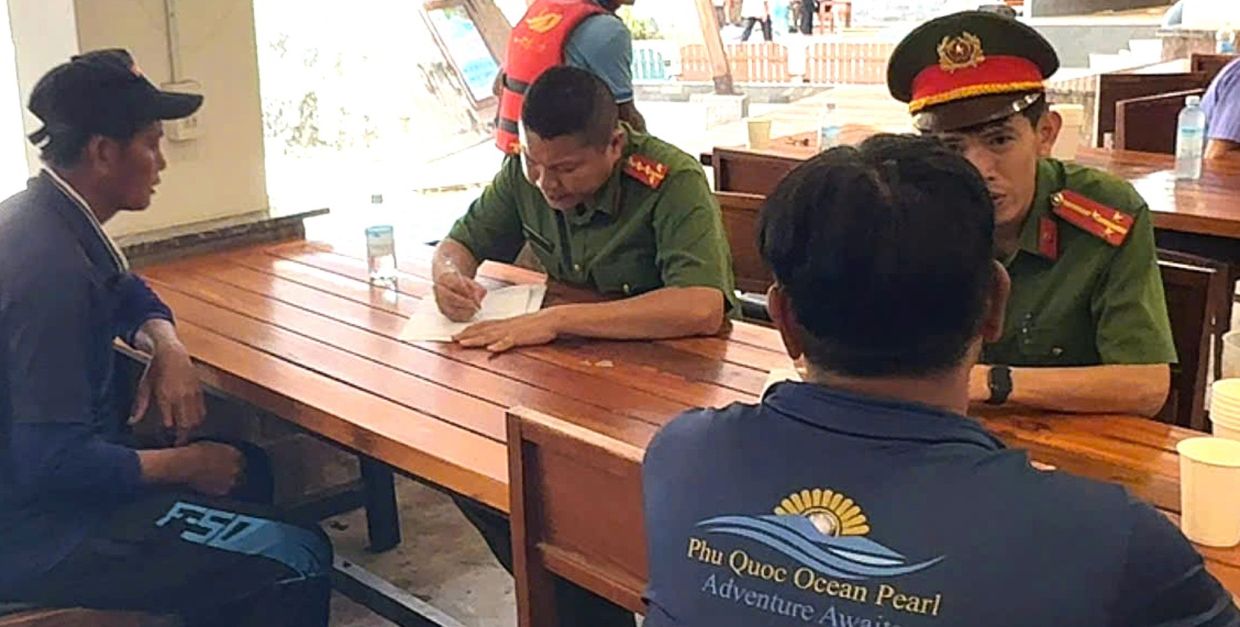
The tragedy appears to have stemmed from regulatory lapses rather than unforeseen natural disaster. Vietnamese authorities have launched an investigation into speedboat captain Nguyen Hong Hai, 57, examining allegations he violated waterway transport safety regulations. The inquiry will likely focus on whether proper storm protocols were followed, whether the vessel was adequately equipped for adverse conditions, and whether the captain exercised appropriate caution given weather forecasts. Such investigations often reveal systemic weaknesses in maritime safety oversight across Southeast Asia's tourism sector.
The group had embarked on what was meant to be a memorable corporate outing organized by Lava International, a smartphone and consumer electronics manufacturer headquartered in Uttar Pradesh. The boat carried employees, distributors and retail partners—individuals who had anticipated a leisure experience showcasing Vietnam's celebrated coastal beauty. Instead, the excursion became emblematic of the risks that tourists face when safety standards are compromised or insufficient safeguards exist at popular tourist destinations.
Indian authorities coordinated repatriation efforts through diplomatic channels, with the embassy facilitating the flight's departure and liaising with home states to arrange further transport. Ten of the deceased were residents of Tamil Nadu, three from Andhra Pradesh and two from Kerala, distributing the tragedy across India's southern peninsula where communities are now confronting collective grief. The embassy's announcement that 16 survivors had already been discharged from hospital and were returning home offered minimal solace given the scale of the loss.
One survivor remains in critical condition at Cho Ray Hospital in Ho Chi Minh City, where specialist teams are treating severe complications from near-drowning. The 49-year-old patient sustained significant lung damage, traumatic shock, multiple injuries and bleeding in the brain—conditions requiring intensive care monitoring. Dr. Tran Thanh Linh, head of the hospital's intensive care unit, reported modest improvements in blood pressure and oxygen levels, though the prognosis remains uncertain.
The Phu Quoc region sits approximately 10 kilometers south of the island itself, which serves as Vietnam's largest and one of Southeast Asia's most celebrated beach destinations. Known for pristine white sand and crystalline waters, the zone attracts millions of domestic and international visitors annually, with speedboat tours representing a standard tourist offering. The accident raises uncomfortable questions about whether rapid tourism development has outpaced safety infrastructure and regulatory enforcement across Vietnam's coastal zones.
India represents one of Vietnam's fastest-growing tourism markets, with increasing numbers of Indian nationals visiting annually. The disaster will likely impact travel confidence among this demographic, particularly regarding maritime activities and adventure tourism offerings. Regional competitors including Malaysia, Thailand and Indonesia may benefit from hesitant Indian tourists reconsidering Vietnam bookings, adding economic dimensions to the human tragedy. Tourism boards across Southeast Asia will now face pressure to demonstrate robust safety protocols and transparent investigation practices.
The incident reflects broader vulnerabilities within maritime tourism across the region. Speedboat operators frequently operate with minimal oversight, particularly in areas where tourism infrastructure has expanded rapidly ahead of regulatory capacity. Vessels may be inadequately maintained, crew training standards may be inconsistent, and safety equipment may be insufficient for the conditions they routinely encounter. This accident serves as a stark reminder that tourism's economic benefits require foundation in rigorous safety standards and genuine commitment to protecting visitors' lives.

