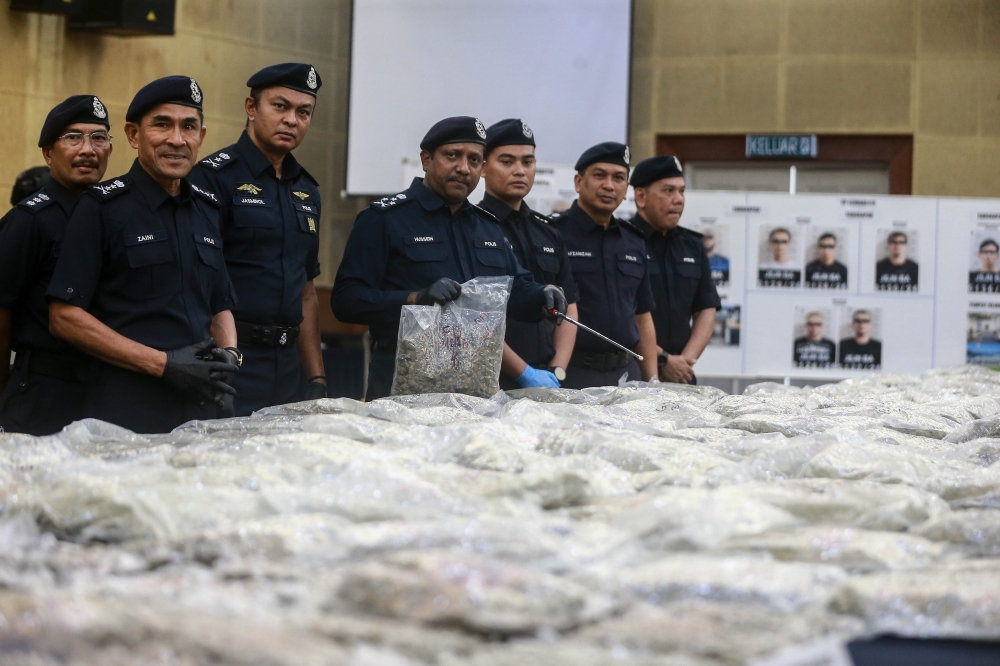
Malaysian law enforcement authorities have revealed a troubling escalation in organised drug trafficking, with 14 citizens arrested in countries abroad since the start of the year for involvement in international smuggling operations. The disclosures, made by police officials in Shah Alam, paint a picture of coordinated networks leveraging Malaysia's strategic geographic position and air infrastructure to move illicit substances across borders, raising questions about vulnerability in security protocols at major hubs like Kuala Lumpur International Airport.
The arrests span multiple jurisdictions and represent a concerning pattern of Malaysian involvement in transnational drug operations. While authorities have not publicly detailed all 14 cases, the revelation signals that criminal syndicates are actively recruiting Malaysian nationals as couriers and operatives, exploiting their ability to travel without triggering the same suspicion as foreign nationals might face. The scale of these arrests suggests police have only begun untangling the full extent of smuggling infrastructure that passes through Malaysia's borders.
KLIA's prominence in the disclosures reflects its critical role as a regional aviation hub connecting Asia to Europe, the Middle East, and beyond. The airport processes hundreds of thousands of passengers monthly, creating both opportunities and vulnerabilities for traffickers seeking to exploit gaps in screening procedures. The volume and complexity of operations at such a facility make comprehensive monitoring extraordinarily difficult, despite increasingly sophisticated detection technologies and intelligence-sharing protocols that authorities employ.
Malaysian police have intensified focus on airport-based trafficking following successive drug seizures and arrests over recent years. The involvement of Malaysian nationals in overseas arrests indicates that smuggling chains often begin domestically, with individuals recruited, trained, or coerced into carrying drugs to their final destinations. Understanding how and why Malaysians become enmeshed in these networks—whether through economic desperation, family pressure, or organised crime connections—remains critical to dismantling the root causes fuelling supply.
The international dimension of these arrests complicates enforcement. When Malaysians are apprehended abroad, their cases fall under foreign legal jurisdictions, limiting direct investigative control by Malaysian authorities. Cooperation between nations on extradition, evidence-sharing, and prosecution becomes essential but often slow. Countries including China, Australia, Thailand, and several European nations have prosecuted Malaysian drug smugglers in recent years, with sentences frequently exceeding those imposed domestically, reflecting harsher penalties in some jurisdictions. These disparities sometimes fail to deter determined traffickers or those coerced into participation.
The timing of these arrests—concentrated since January—may indicate either heightened enforcement activity or a genuine increase in trafficking attempts. Police statements typically emphasise operational successes rather than comprehensive threat assessments, meaning the 14 figure represents detected and prosecuted cases, not the total scale of smuggling activity. Intelligence sources suggest actual numbers may be substantially higher, with many trafficking attempts succeeding undetected or being intercepted without resulting in foreign arrests.
Economic factors underpin much of this criminality. Malaysia's middle-income status, combined with income inequality and limited economic opportunities in certain communities, creates vulnerability to criminal recruitment. Young individuals facing financial pressure may accept offers to transport drugs for fees ranging from several thousand to tens of thousands of ringgit—sums that appear life-changing to those in financial distress, even as they accept enormous legal and personal risks. Organised crime syndicates exploit these conditions systematically.
Regional context matters significantly. Southeast Asia sits atop major drug production zones, particularly the Golden Triangle spanning Myanmar, Laos, and Thailand, where opium and methamphetamine manufacturing remains endemic despite decades of counter-narcotics efforts. Cocaine and heroin from other origins also flow through the region toward Australian, European, and North American markets. Malaysia's position as a transportation nexus makes it inevitable that trafficking organisations will utilise its infrastructure, airports, and ports. Competition between syndicates for market share and route control frequently generates turf violence and collateral harms affecting broader populations.
The revelation also highlights intelligence gaps within enforcement agencies. Police statements suggest they identify overseas arrests primarily through notifications from foreign counterparts or international agency coordination, rather than predictive intelligence developed domestically. Strengthening domestic investigation capacity, particularly regarding recruitment networks and financial flows supporting trafficking, could enable earlier intervention before Malaysians become ensnared in foreign prosecutions with severe consequences.
For ordinary Malaysians, understanding trafficking risks matters practically. Family members abroad may be approached by individuals offering lucrative courier opportunities, or Malaysians working internationally might encounter pressure from criminal networks. Public awareness campaigns about these recruitment tactics, combined with clear information about legal consequences in various jurisdictions, could reduce vulnerability among potentially targeted populations.
Moving forward, addressing this challenge requires multifaceted approaches. Enhanced border security, improved intelligence coordination with regional and international partners, and targeted intervention programs addressing economic desperation in vulnerable communities all merit investment. Equally important is strengthening the rehabilitation and reintegration systems for Malaysians prosecuted abroad who eventually return home, helping them rebuild lives beyond criminal networks. Until these structural issues receive sustained attention, Malaysia's role in international trafficking networks will likely persist.

