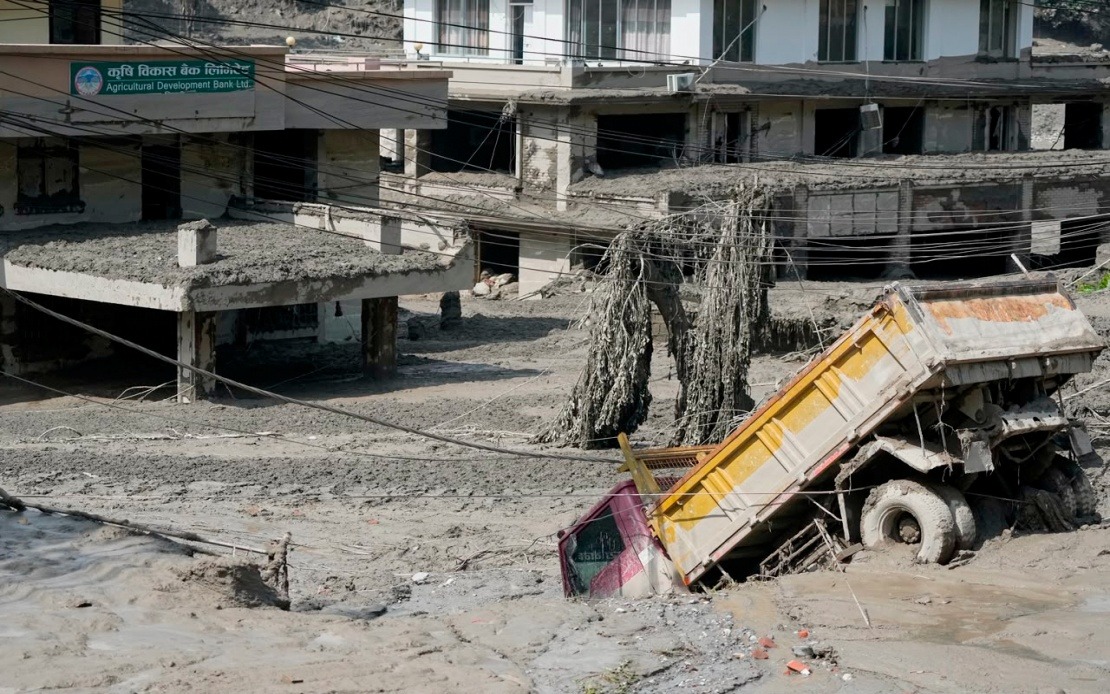
A major disaster in Nepal's northern regions has left Malaysian authorities scrambling to account for 11 of its citizens reported missing after devastating flash floods swept through the Rasuwa district. The Malaysian Embassy in Kathmandu received notification from travel agencies operating in the area that contact had been severed with the group, prompting immediate concern for their welfare and triggering a coordinated response from Wisma Putra, Malaysia's Foreign Ministry.
The catastrophic flooding occurred when a massive torrent of water descended through the Bhote Koshi River valley in the early morning hours on Wednesday, destroying communities, marketplaces and critical infrastructure across the remote highland region. The scale of the destruction has created severe challenges for rescue operations, with the combination of rugged terrain and infrastructure damage complicating efforts to reach isolated areas where the Malaysians may be stranded. Communications infrastructure remains severely compromised throughout the affected zone, making it difficult for authorities to determine the precise status and location of missing persons.
Wisma Putra confirmed that the severing of contact with the Malaysian nationals stems directly from the catastrophic collapse of both telecommunications networks and electrical systems across the disaster zone. The foreign ministry indicated in its formal statement that these infrastructure failures represent the primary barrier to establishing communication with the missing group, rather than any indication of harm. The embassy has nevertheless initiated active coordination with Nepalese government authorities and the national search and rescue teams currently being mobilised to sweep through affected communities.
The response from Malaysia's diplomatic mission has been swift and comprehensive. Embassy officials in Kathmandu are maintaining direct liaison with Nepalese rescue operations while simultaneously attempting to gather additional information through travel agencies and tour operators who may possess detailed knowledge of the group's itinerary and locations. This multi-channel approach reflects the urgency surrounding the situation and the limited information currently available to Malaysian officials attempting to piece together a coherent picture of events.
For the broader Malaysian community in Nepal, the foreign ministry has issued formal guidance emphasising the importance of heightened vigilance and strict adherence to all directives issued by Nepalese local authorities. Malaysians residing in Nepal or transiting through the country have been specifically advised to prioritise personal safety measures, particularly those in proximity to regions already impacted by the floods. The ministry has stressed that residents should remain alert to potential secondary hazards such as landslides, contaminated water supplies and potential disease outbreaks that typically follow major flood events in mountainous terrain.
Recognising the critical importance of maintaining updated consular records during emergencies, Wisma Putra has urged all Malaysian nationals abroad to ensure their contact information is current within the e-Konsular portal system. This database allows the foreign ministry to rapidly identify and communicate with citizens during crises, enabling coordinated assistance and ensuring no one is overlooked during emergency response operations. The emphasis on registration reflects lessons learned from previous disasters affecting Malaysian nationals overseas.
The embassy has established multiple communication channels specifically for those seeking immediate assistance or reporting emergencies related to the Nepal situation. Malaysian citizens can reach the Kathmandu embassy through several telephone lines dedicated to different functions—general inquiries, consular services, and a dedicated emergency hotline—alongside email contact options. These redundant communication pathways were established recognising that standard channels may be overwhelmed or compromised during major emergencies.
The incident underscores the vulnerability of Malaysian tourists and residents to natural disasters in the Himalayan region, where Nepal's mountainous terrain and complex monsoon weather patterns create inherent risks. Flash flooding represents a recurrent hazard in Nepal's river valleys, particularly during monsoon season when rainfall intensifies dramatically over short periods. The Rasuwa district's elevation and geography make it especially susceptible to rapid-onset flooding events that provide minimal warning time to affected populations.
Wisma Putra has committed to maintaining active surveillance of the situation and pledged to disseminate verified information regarding the missing Malaysians as soon as it becomes available through official channels. The foreign ministry acknowledged that the fluid nature of rescue operations and ongoing communication difficulties mean that timely information may remain limited in the immediate aftermath of the disaster. Officials indicated that further updates would be released only after confirmation through established channels rather than relying on unverified reports, ensuring accuracy in communications to affected families and the broader public.
The broader implications of this incident extend beyond the immediate search efforts. It serves as a reminder to Malaysian tourists of the importance of registering with their embassy before travelling to high-risk destinations and maintaining regular contact with family members. The incident also highlights the challenges faced by diplomatic missions operating in developing countries during major emergencies, where coordination with local authorities and limited infrastructure can impede rapid response. For the Malaysian government, the situation has likely reinforced the need for updated emergency protocols and potentially enhanced coordination agreements with Nepalese authorities for future disaster scenarios affecting its nationals.
As rescue operations continue in challenging conditions, the focus remains on locating the 11 missing Malaysians and establishing their status. The coordination between Malaysia's diplomatic presence and Nepalese government agencies represents the standard response framework for Malaysian citizens in distress abroad, demonstrating the foreign ministry's capacity to mobilise resources and engage with host country authorities. The coming days will be critical in determining outcomes for the missing group, with weather conditions and accessibility to affected areas likely playing decisive roles in rescue efforts.

